Theresa & Richard Emmett and Thelma & Graham Dudley
We started our trip thinking we would go for just a walk around Stockbury and Bicknor churches, just looking at the grand architecture of the buildings on the outside, and had a wonderful surprise….Stockbury church was open! Whilst we were at Bicknor, a passer-by suggested we looked at Hucking, which was just a few minutes drive away, and that church is mostly always open. This was all pre the latest restrictions.
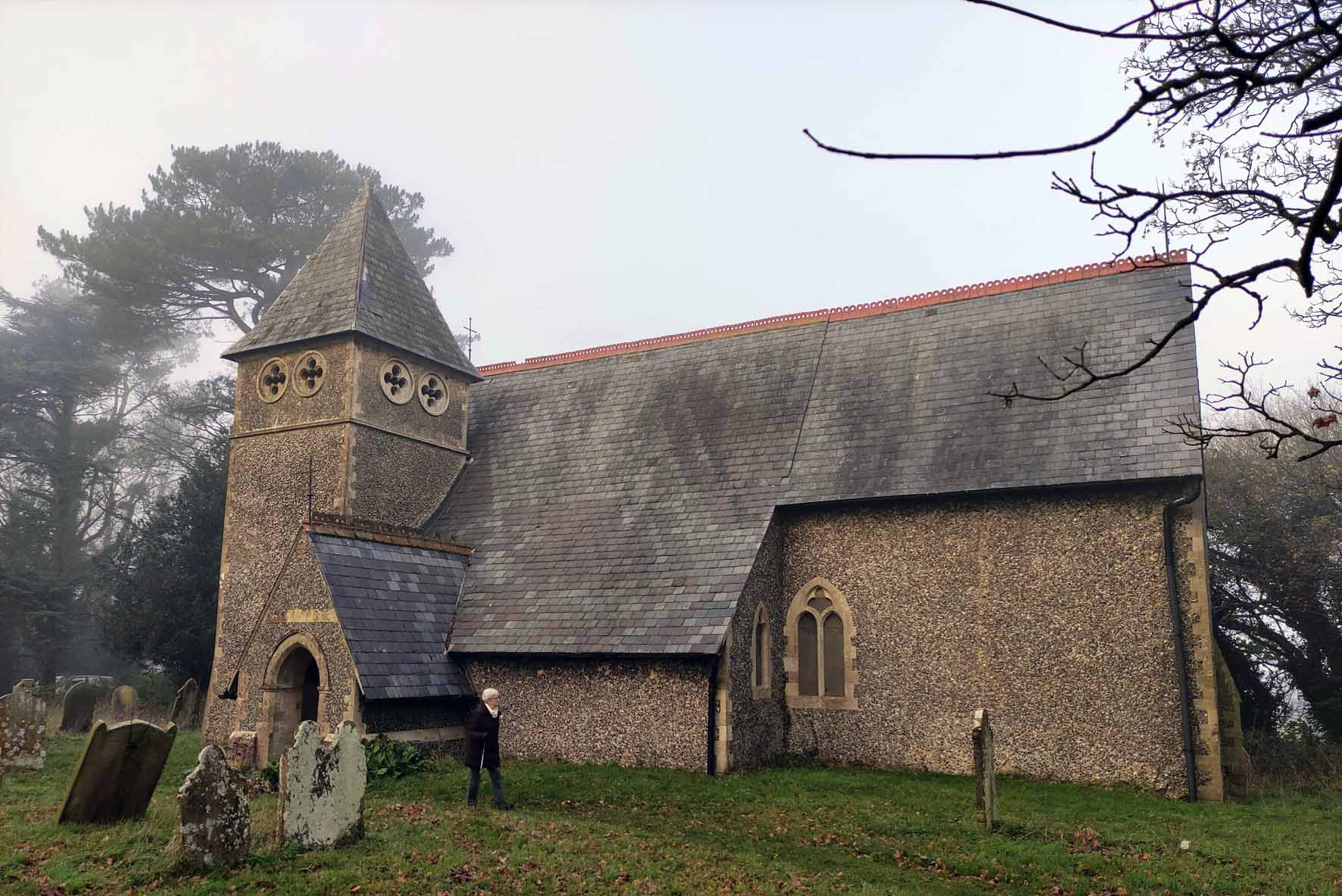
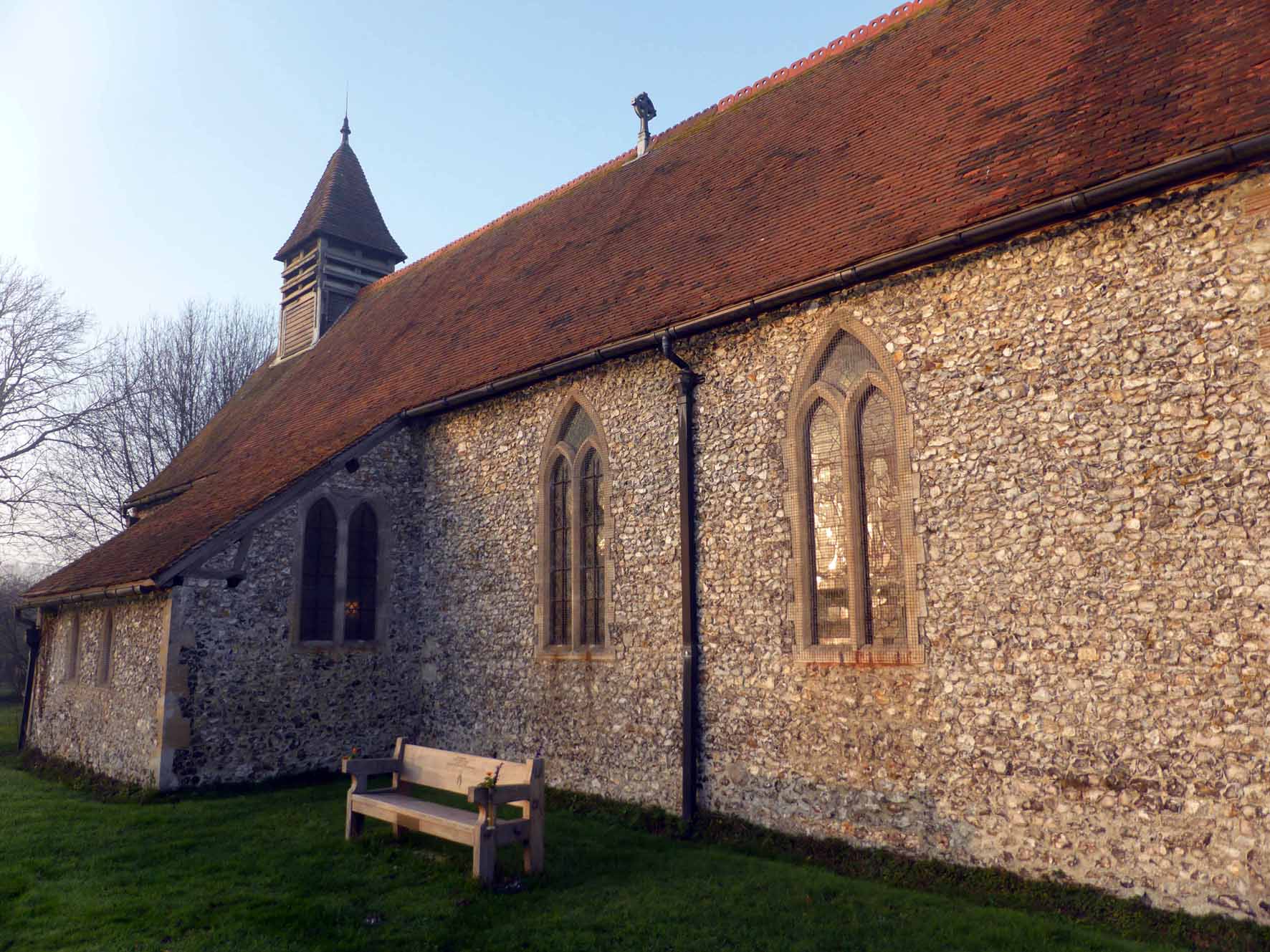
St. James Church, Bicknor
(TQ86478 59317)
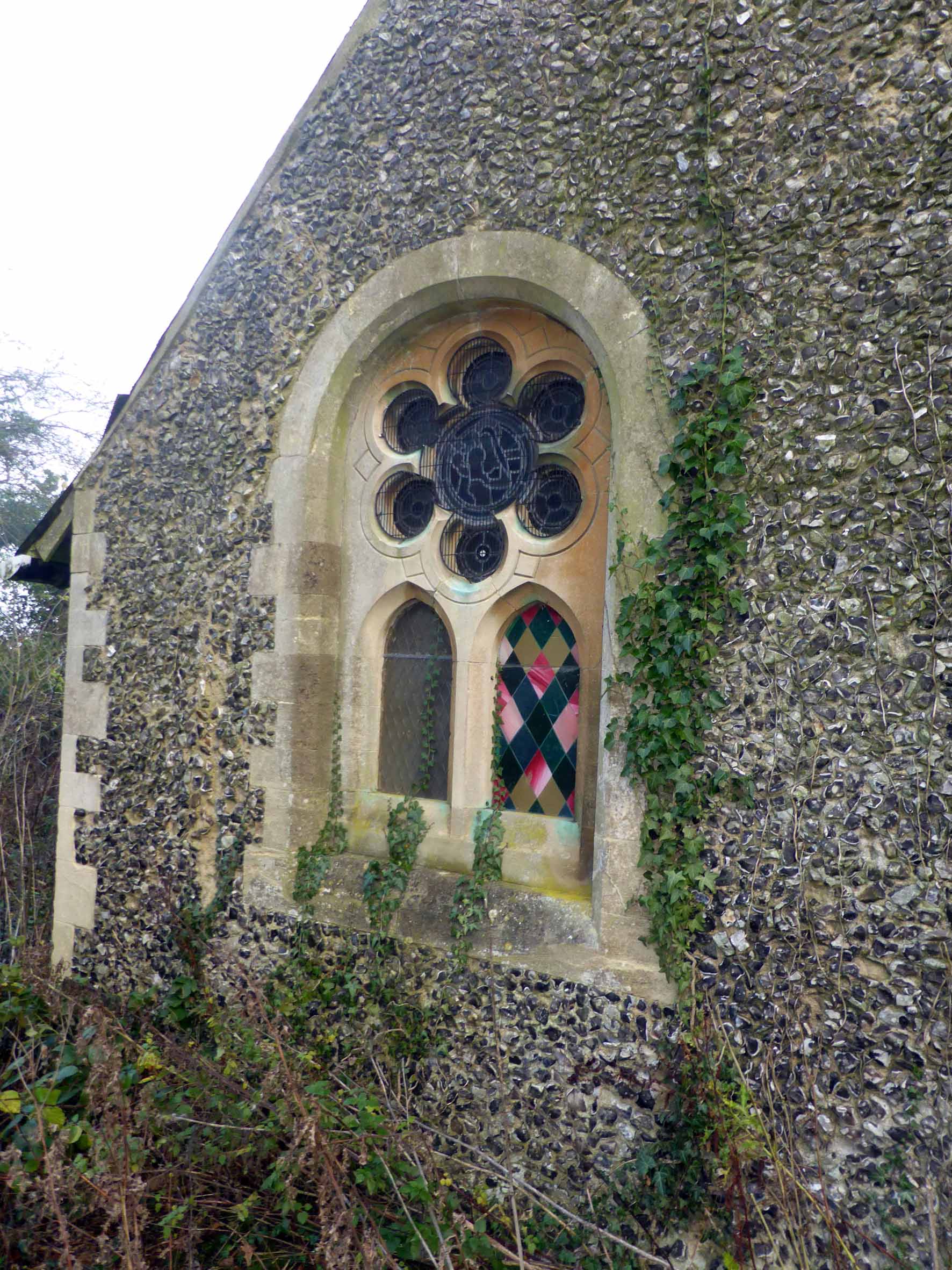
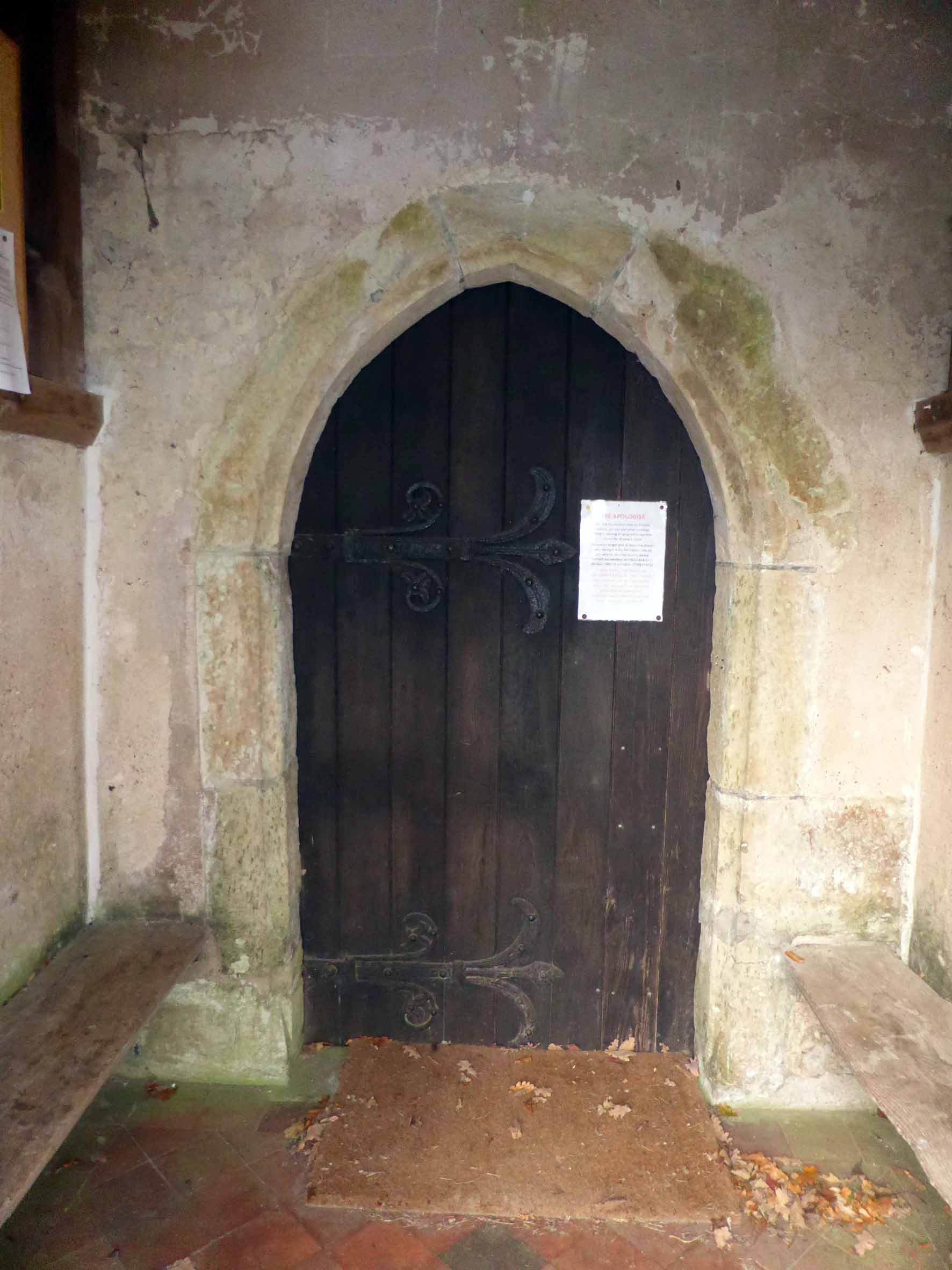
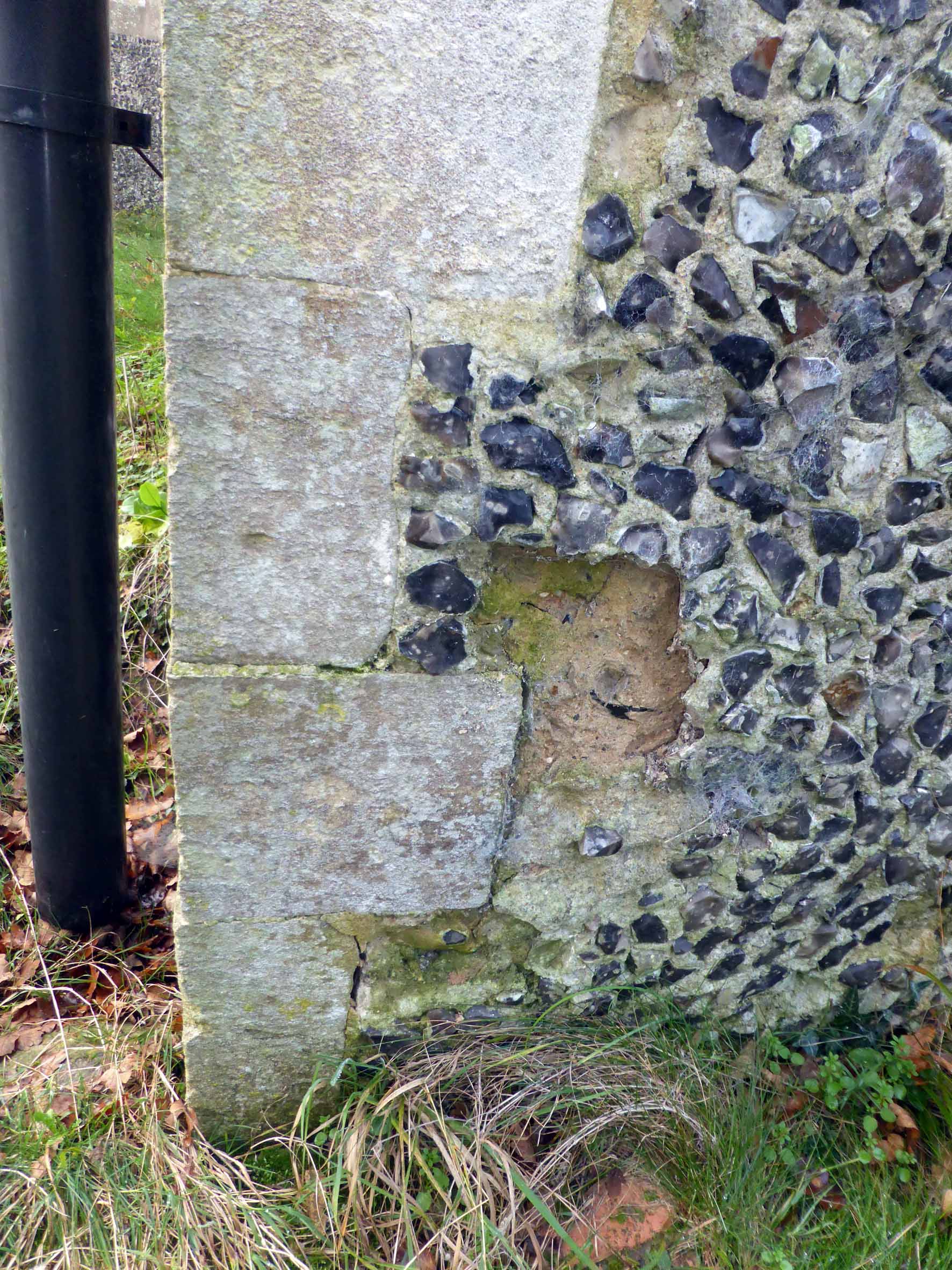
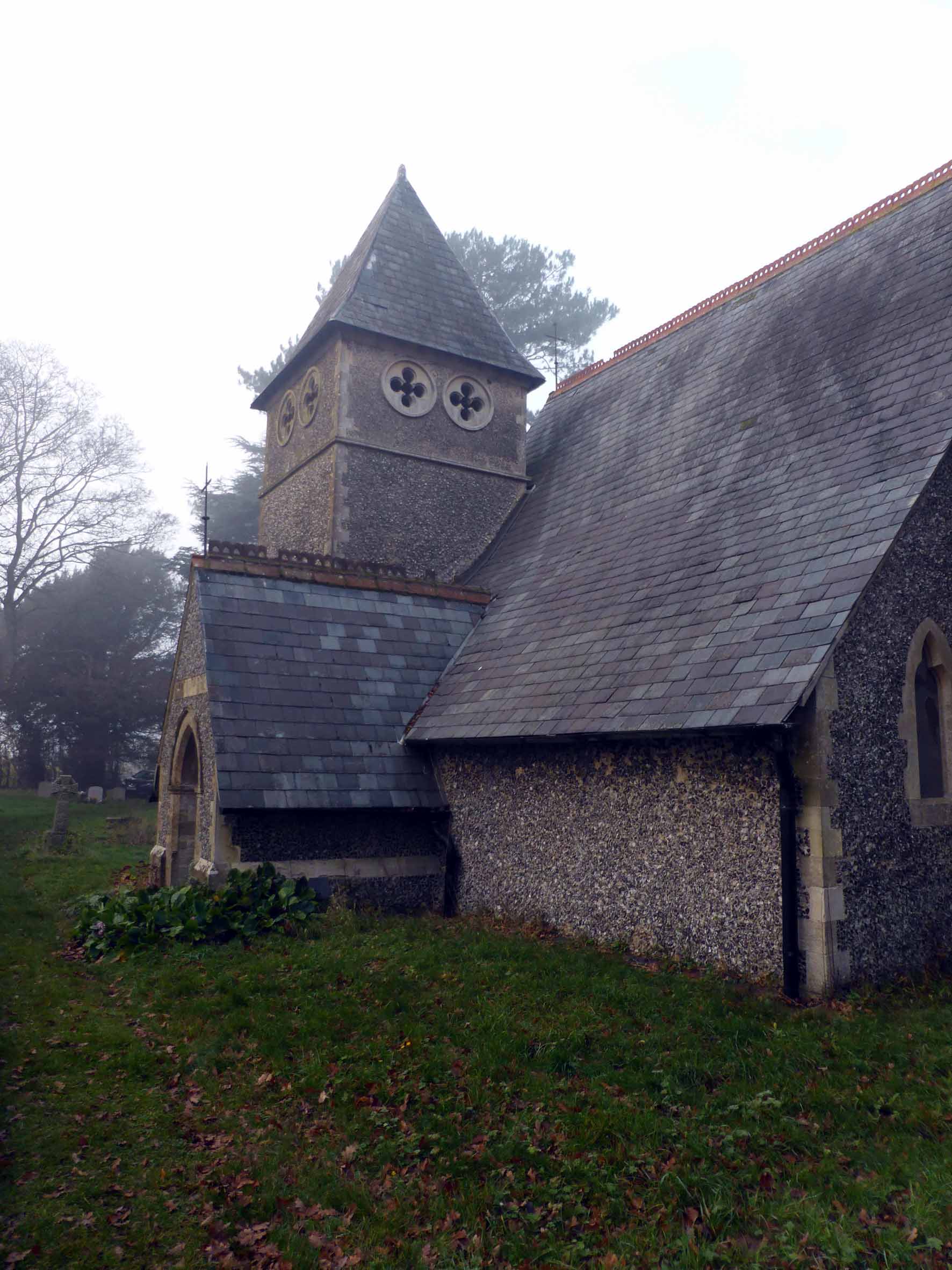
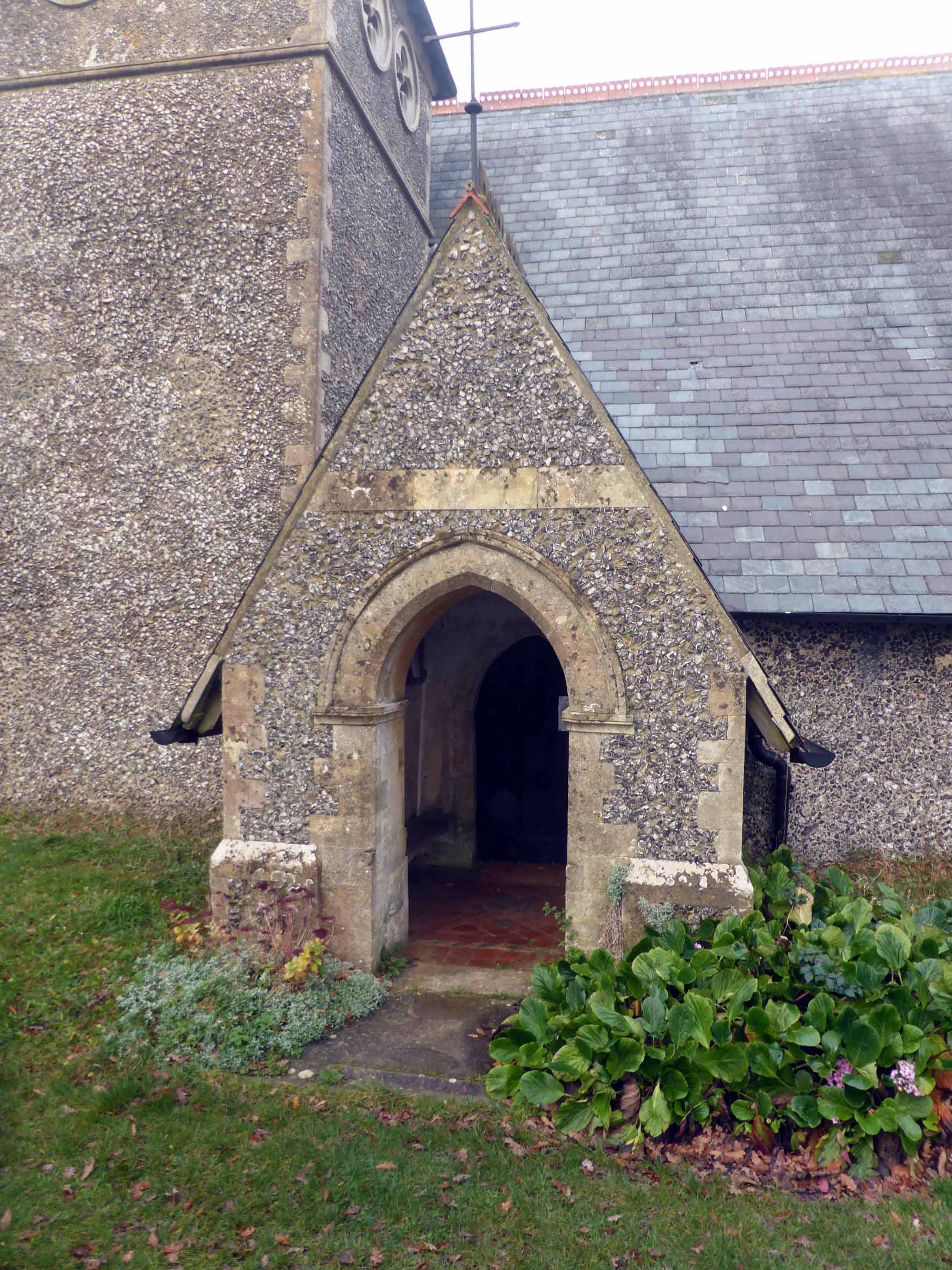
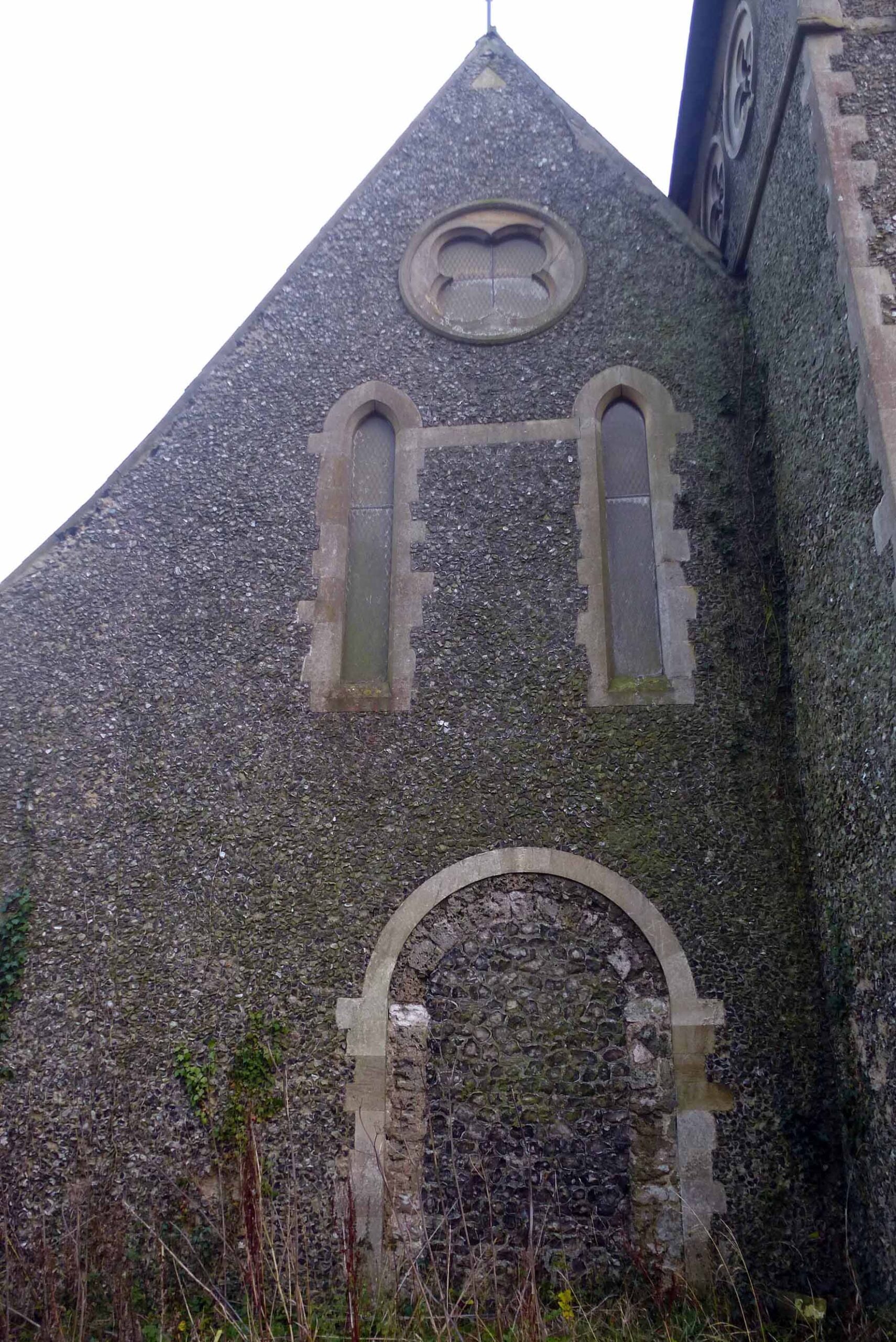
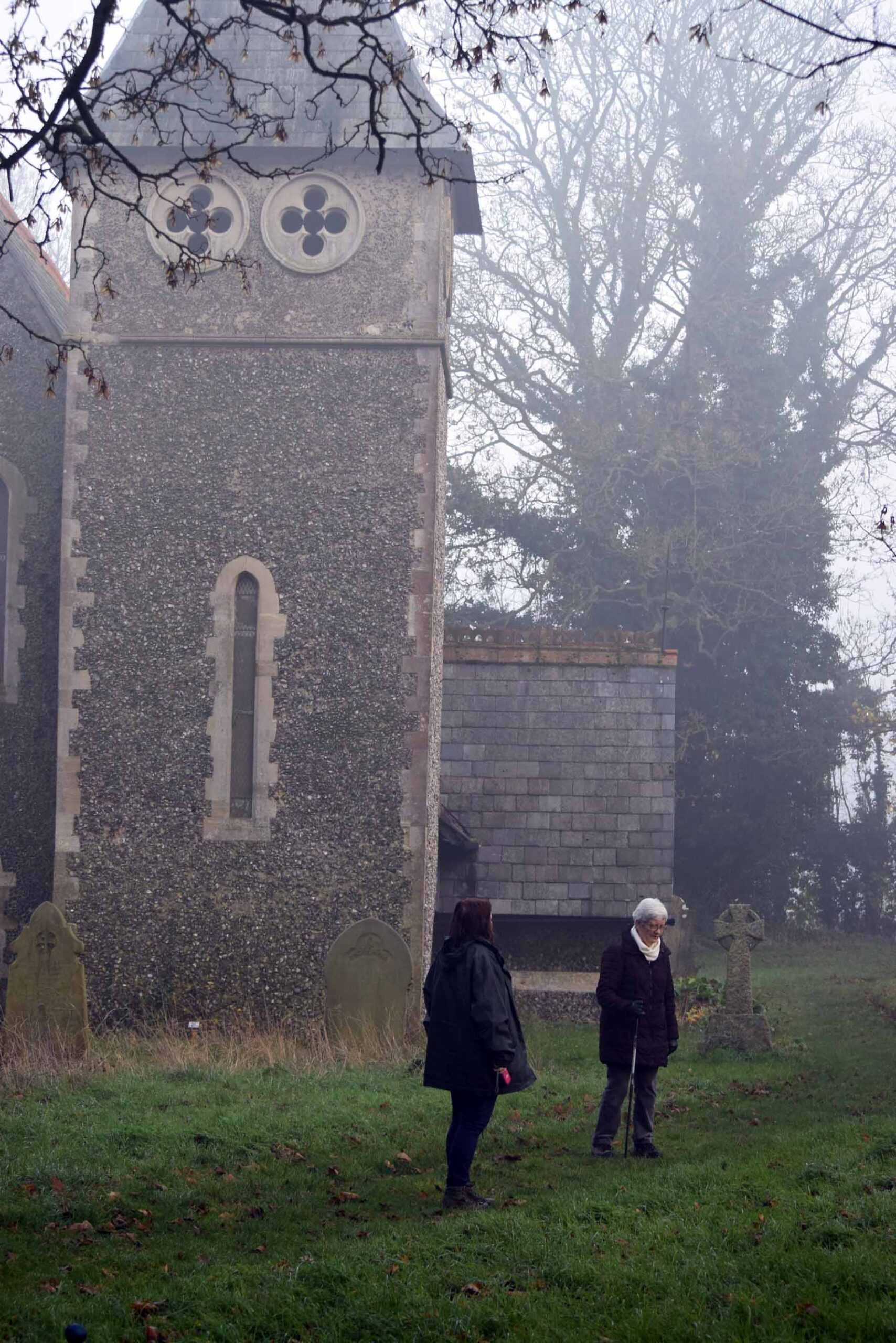
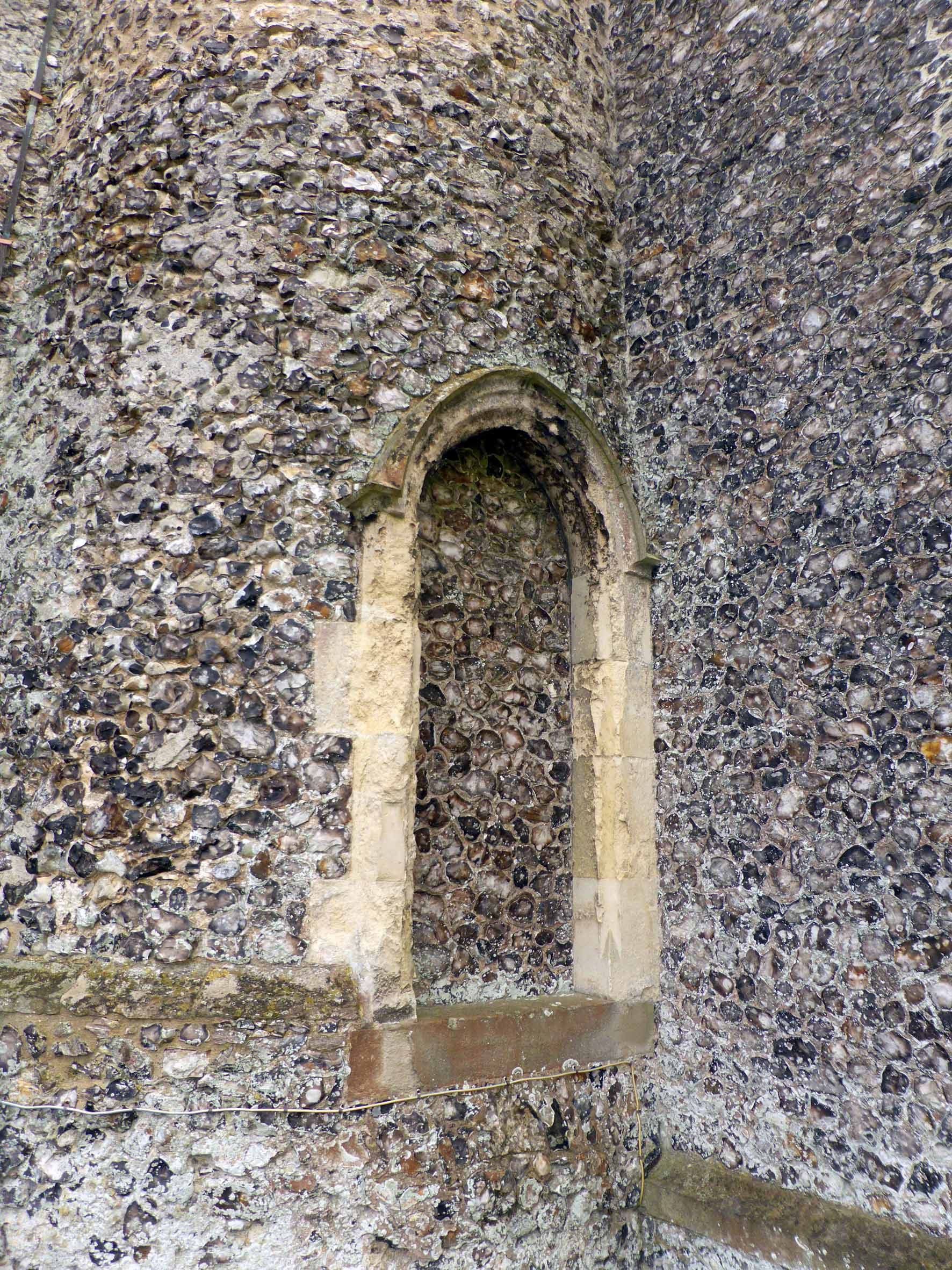
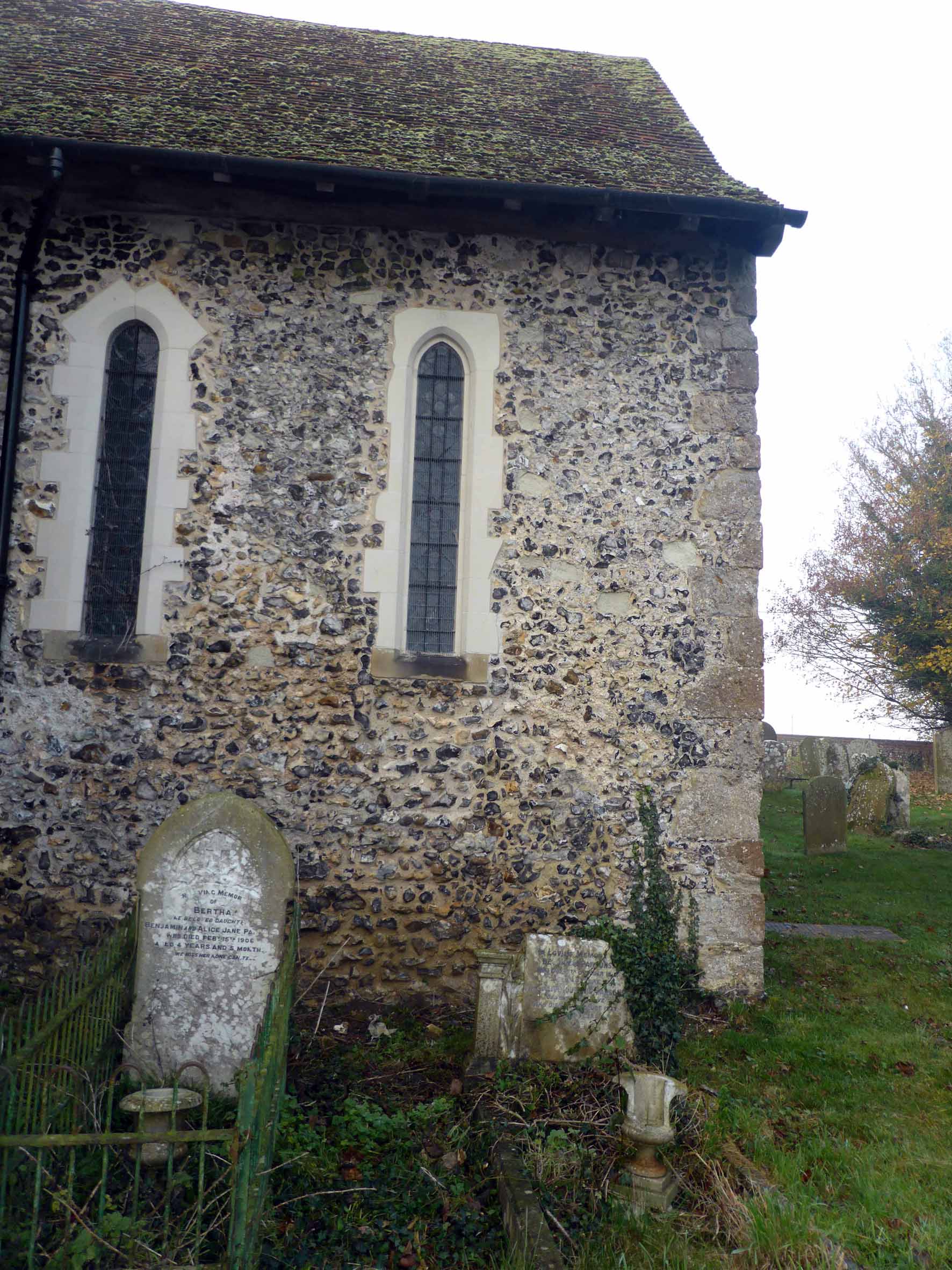
St. James church, Bicknor was designated as a Chapel of Ease within the Parish of Bredgar with Bicknor. It originates from the 12th century, and was restored between 1859-1861 by George Frederick Bodley (an architect from Hull b1827-1907 famous for Gothic Revival Architecture). It is a Grade II* listed building and is unusual in that it is built of chalk, with flint external facings.
The church website advises that there is no electricity at Bicknor church – lighting is by candles and oil lamps, which creates a wonderful atmosphere for the evening services. The church is usually open during the summer months on Monday afternoons, from 13:00 to 17:00.
For more pictures of Bicknor church, scroll down.
When allowed, we will be returning to see inside!
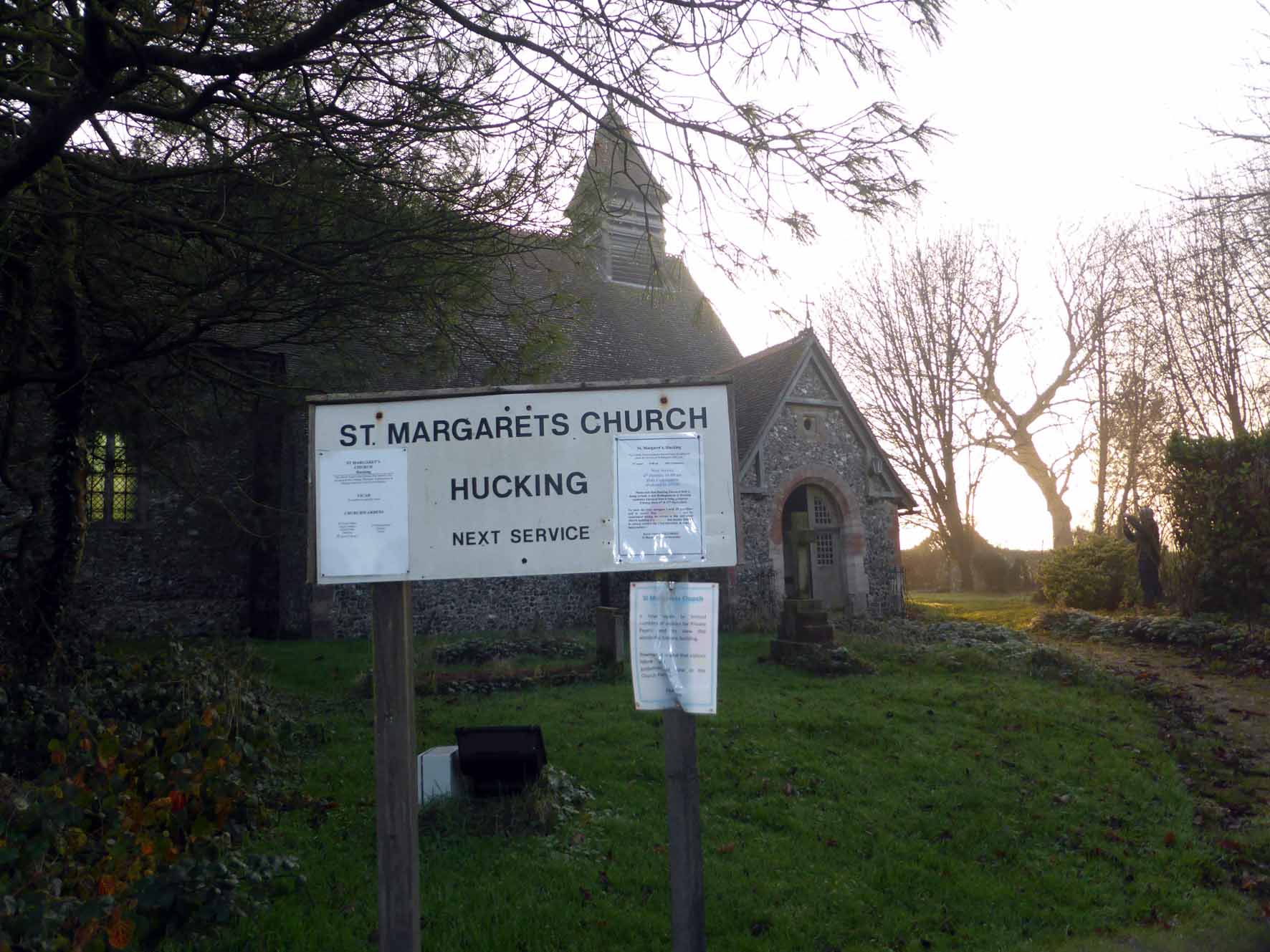
St Margaret Church, Hucking
(TR 8443 5823)
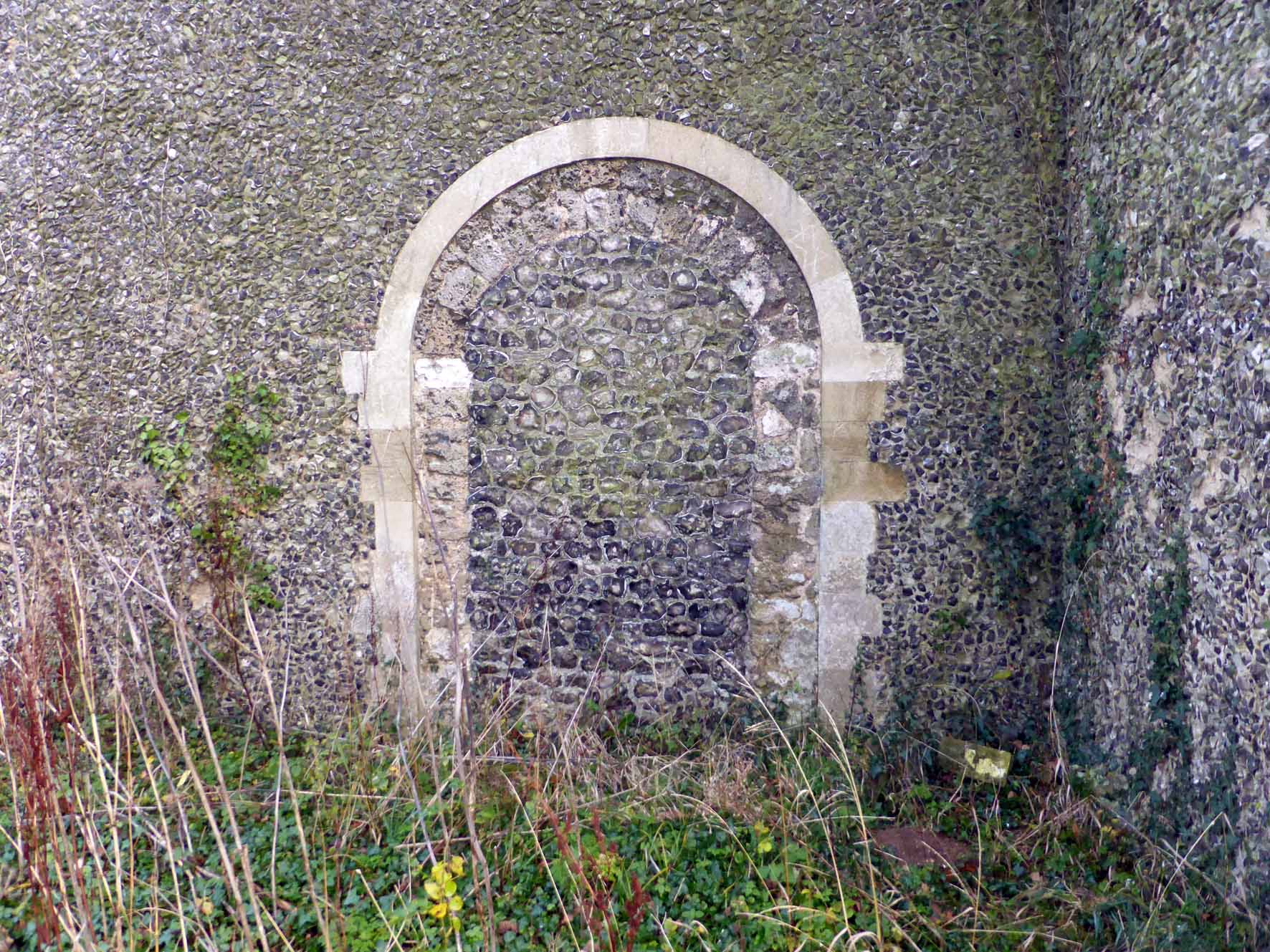
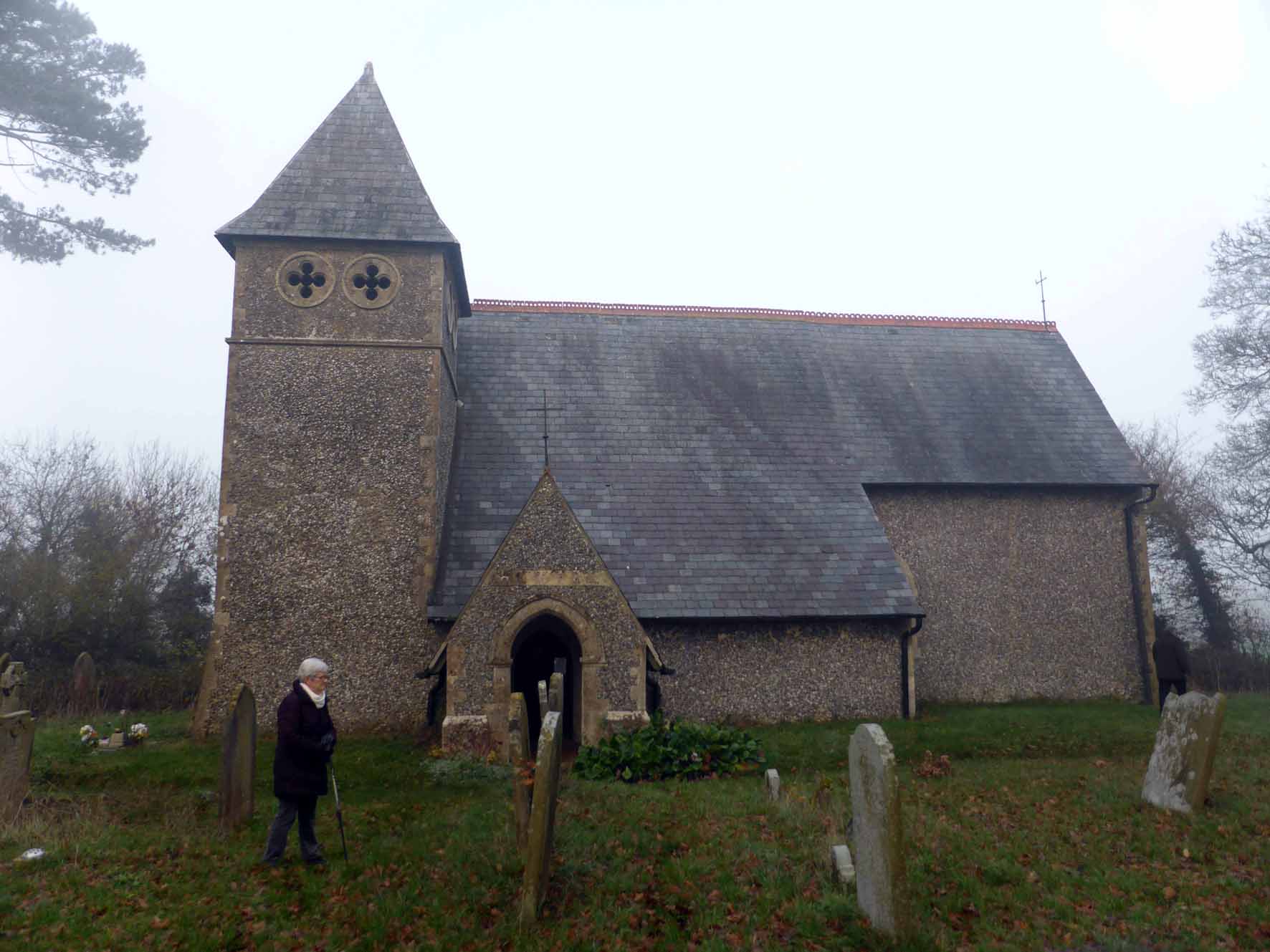
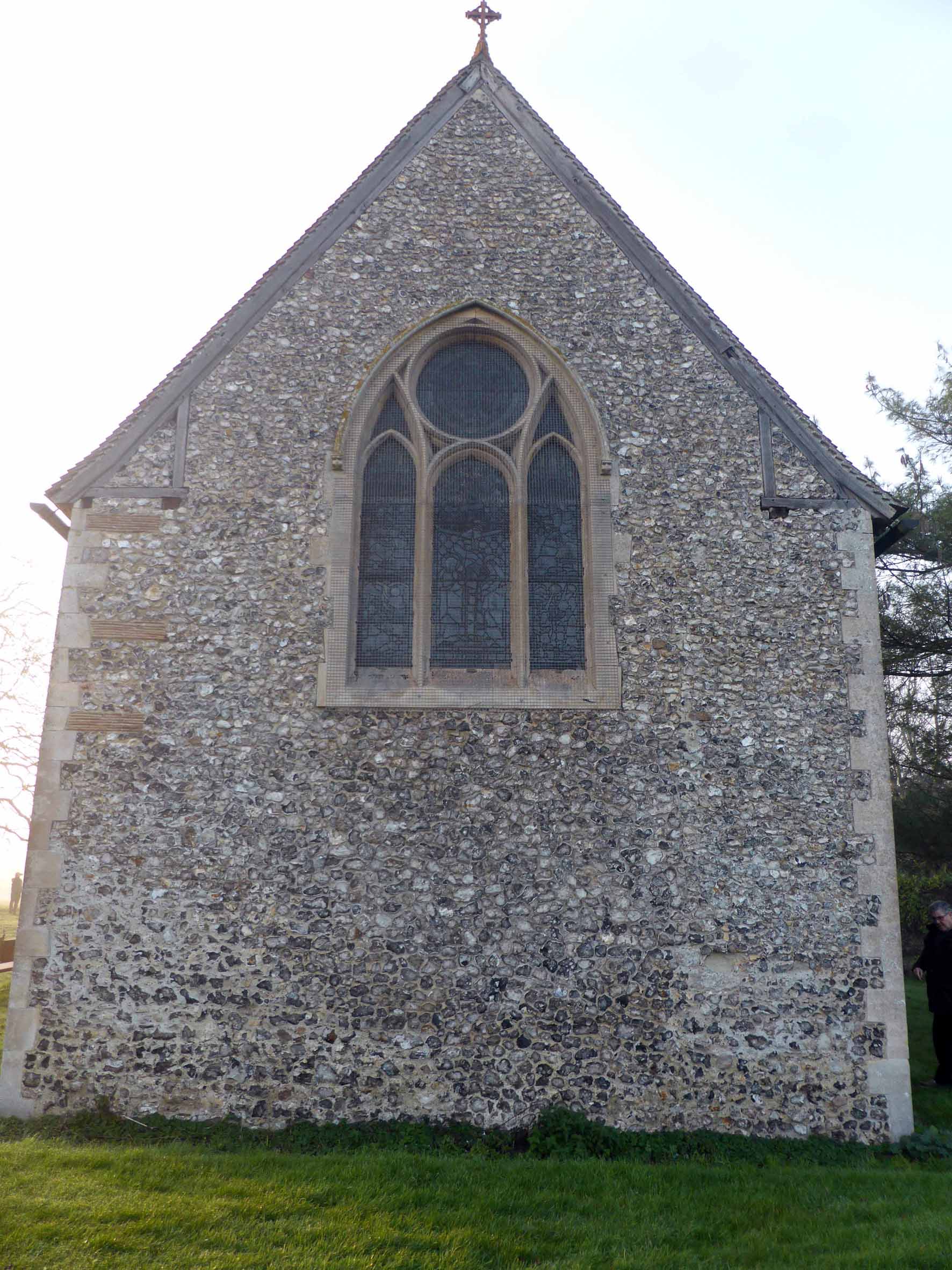
This church is believed to be an appendage to the manor, in the earlier 12th century. The main walls are of local flints with occasional sarsen stones. All external windows and doors and the main quoins are of Bath stone from the 1867-1868 restoration. Some Tufa and Reigate blocks are, however, visible. Inside chalk, tufa (thought possibly brought over from Caen) was used in the original 12th century work.
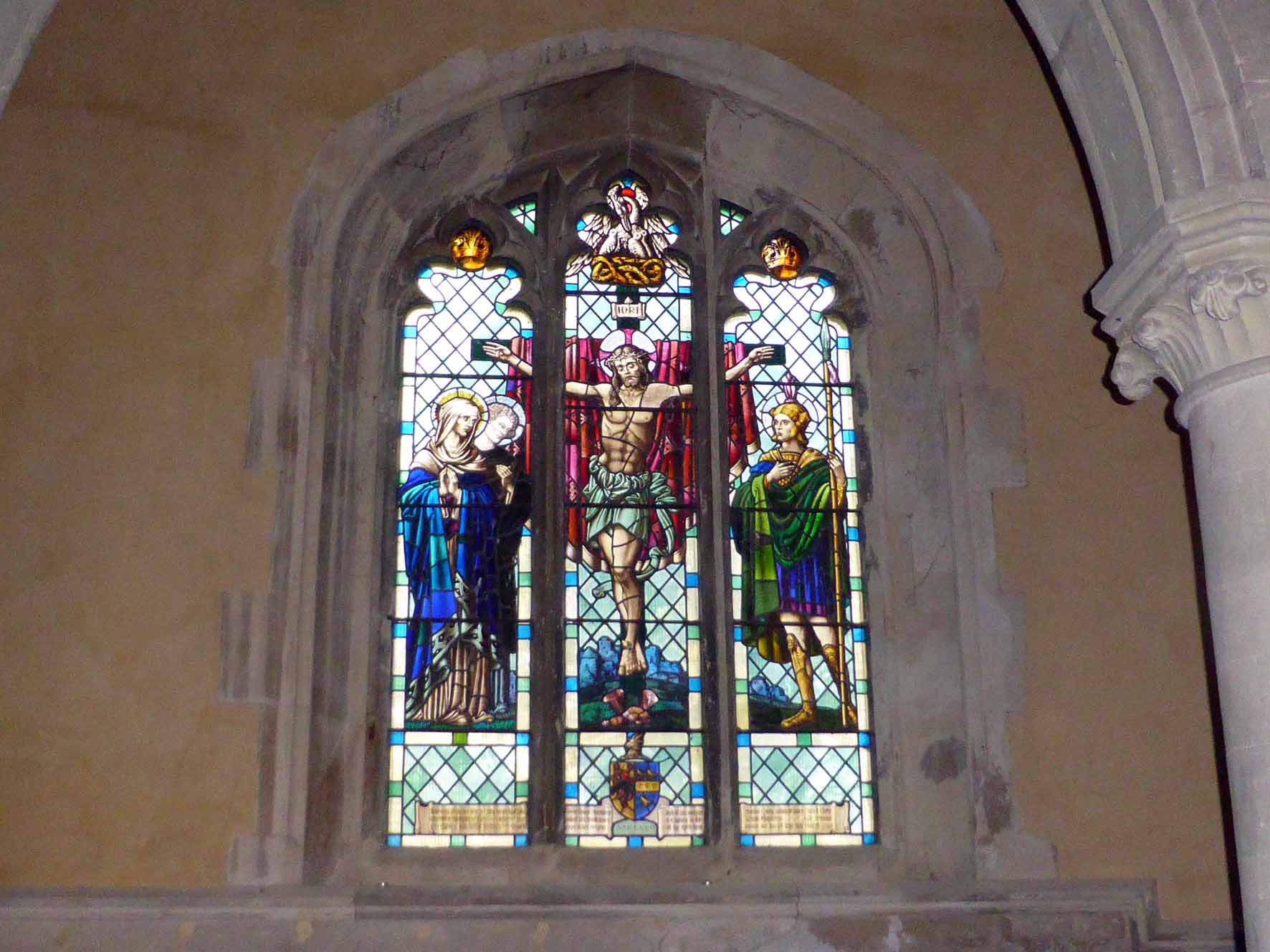
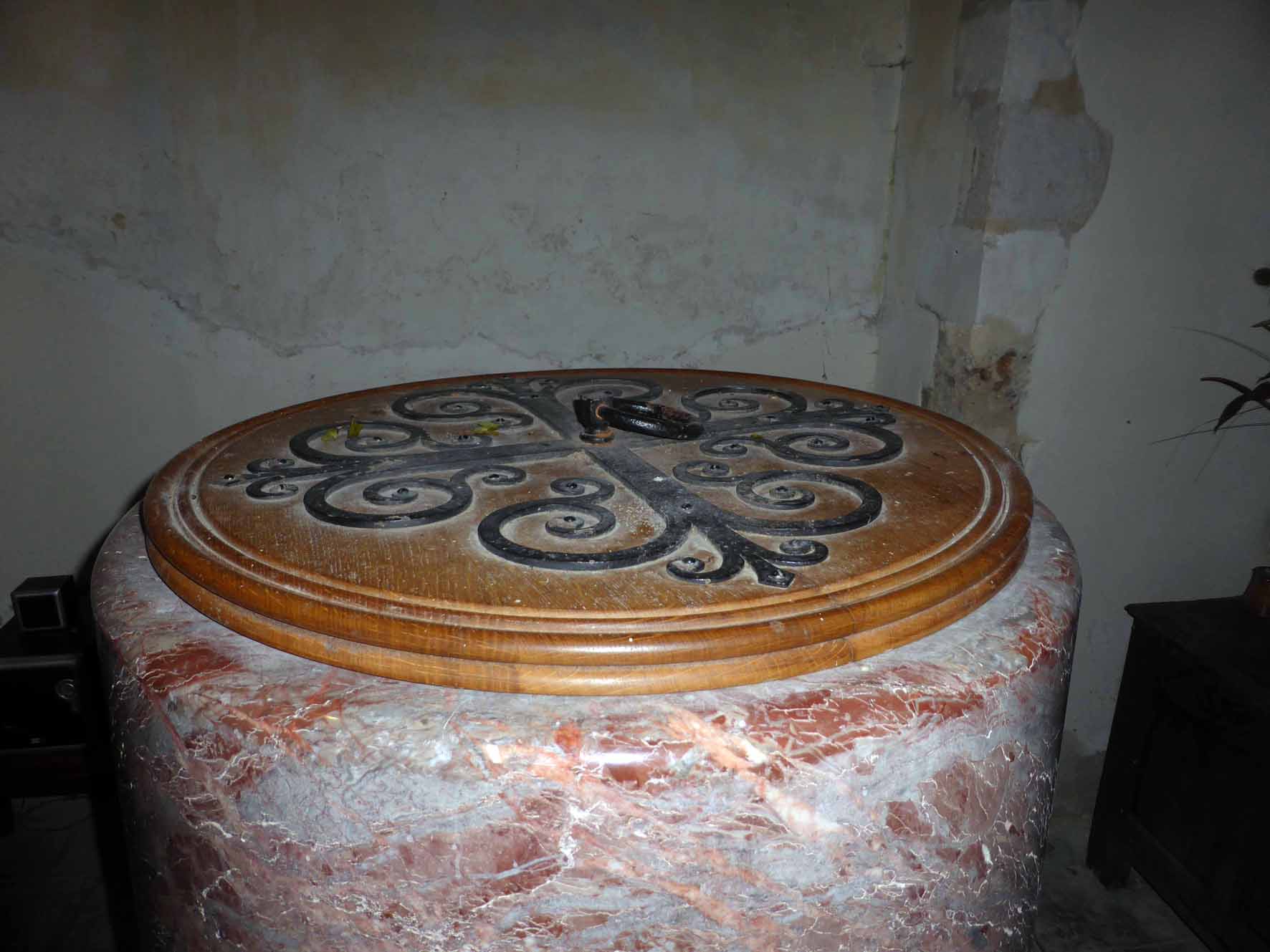
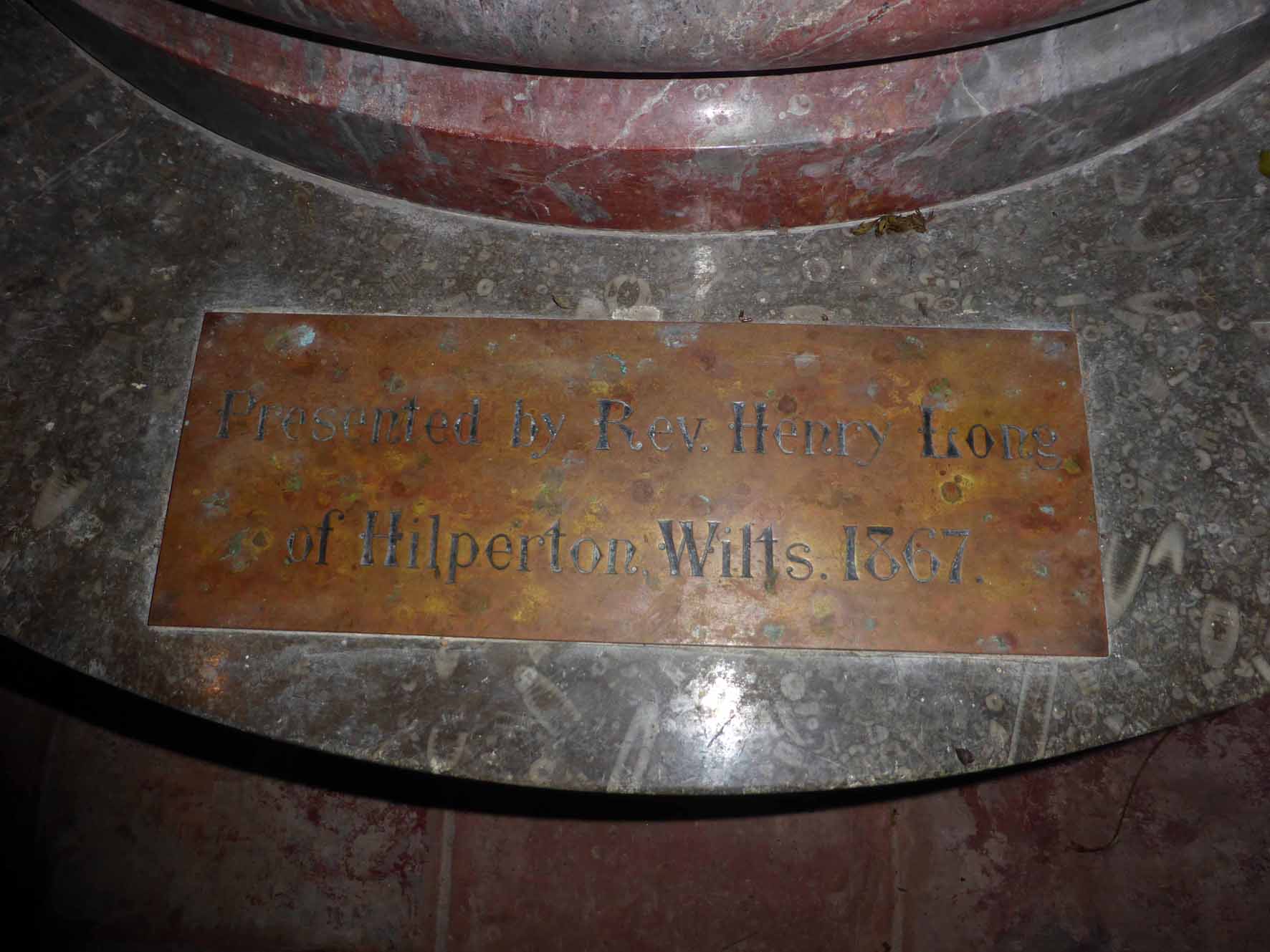
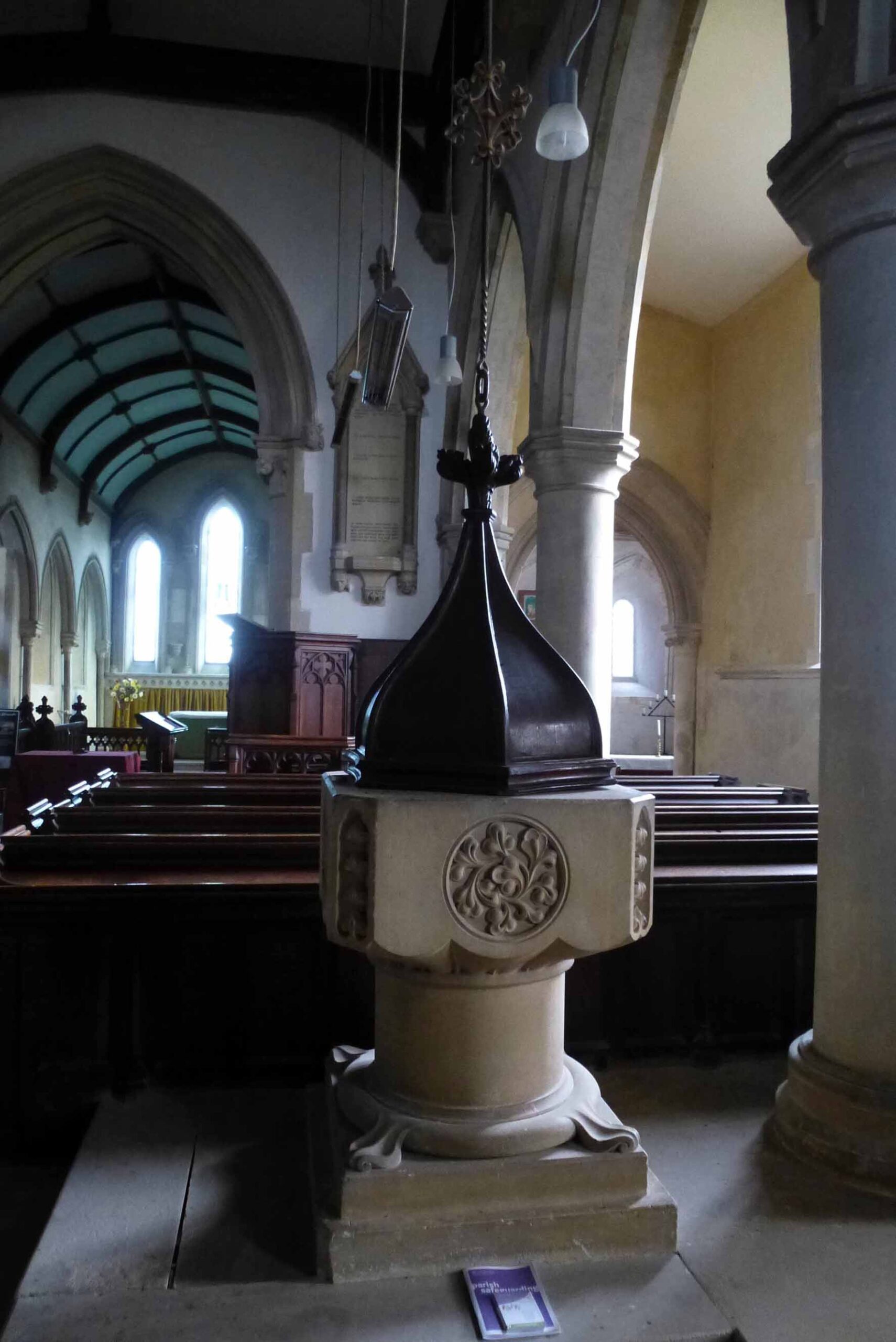
The church was extremely heavily restored in the Victorian period (it is believed to have been restored in 1867-1868 when the font was added). Also in 1867 the church was united to Bicknor. All the exterior walls, except the west wall, have been completely refaced and new quoins and jambs, are in Bath stone. There are, however, a few reused Tufa blocks, particularly on the north side of the chancel, and some Reigate stone blocks from the medieval church.
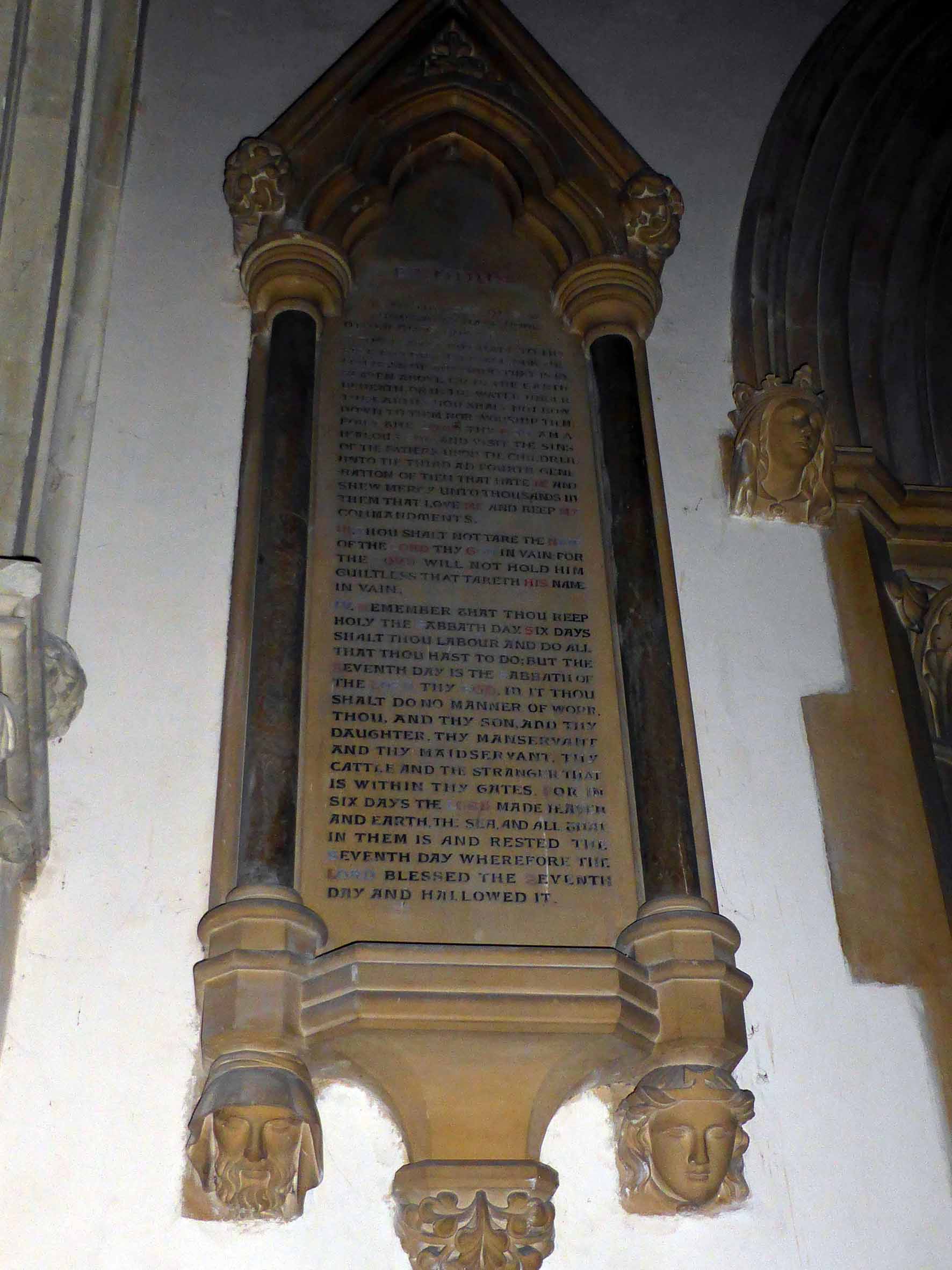
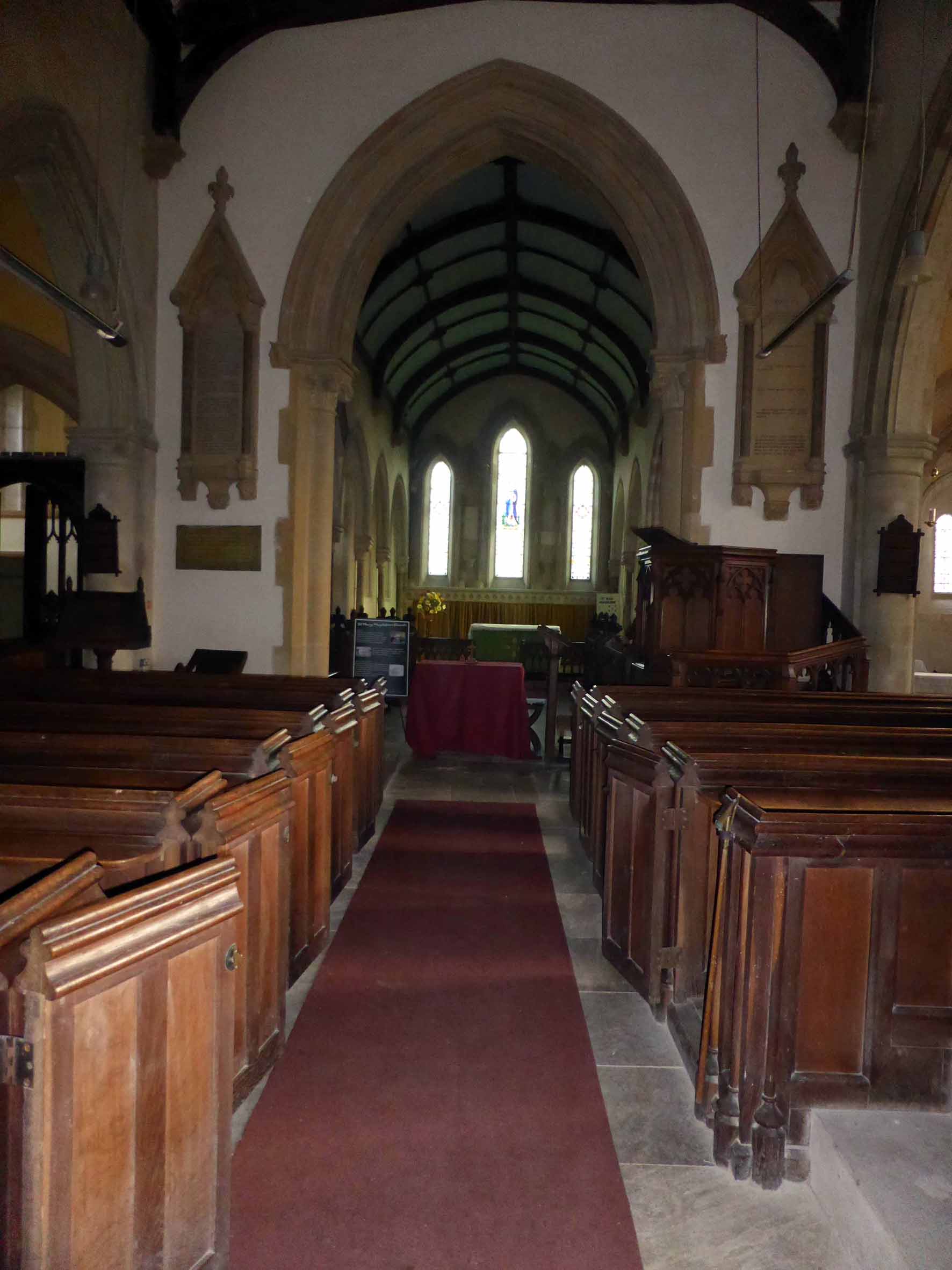
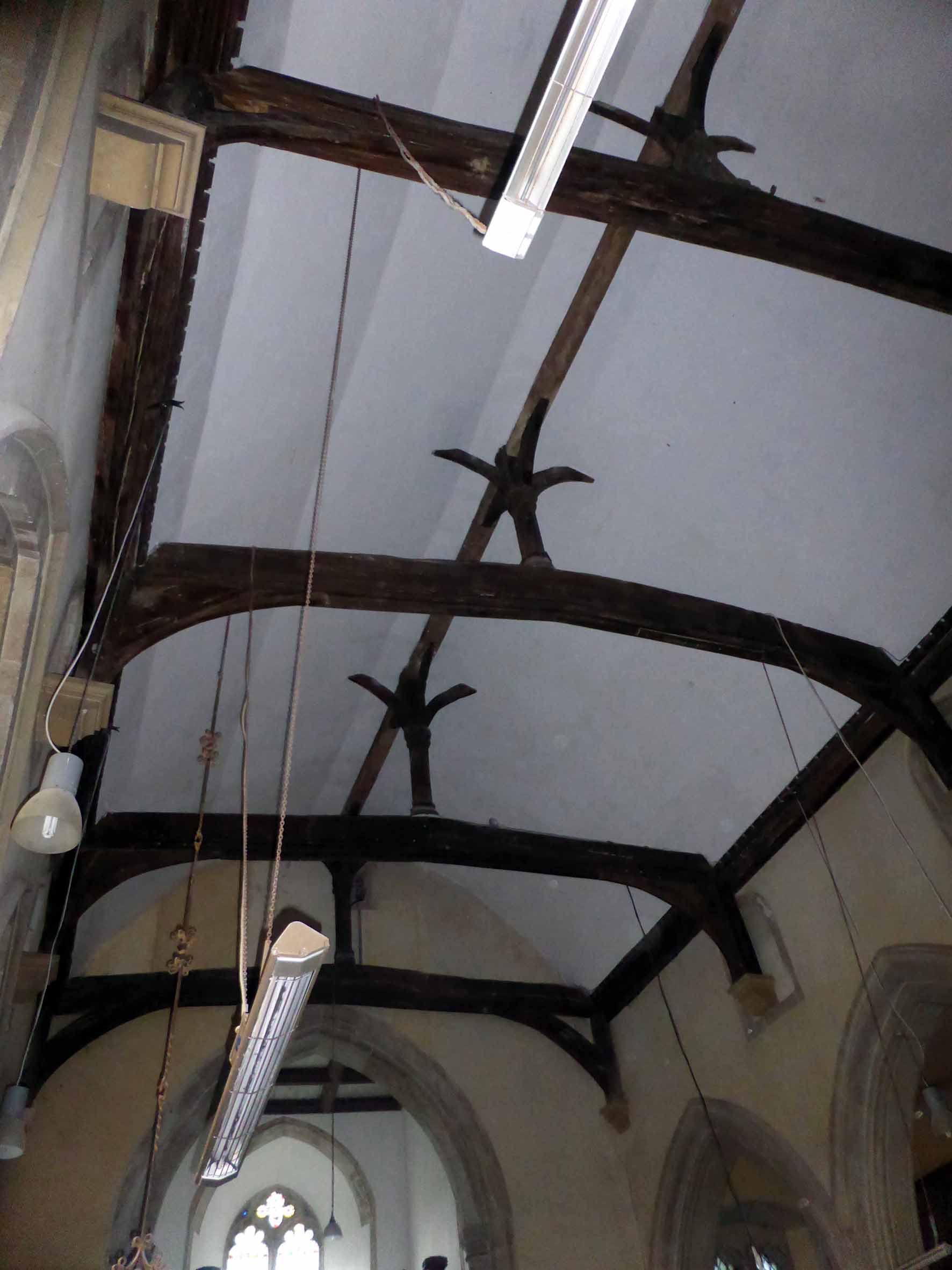
Internally a few other medieval features survive which suggest that the nave and north aisle were built in the 12th century with additions in the 13th century. The porch thought to be 15th century, but was totally rebuilt in the 19th century.
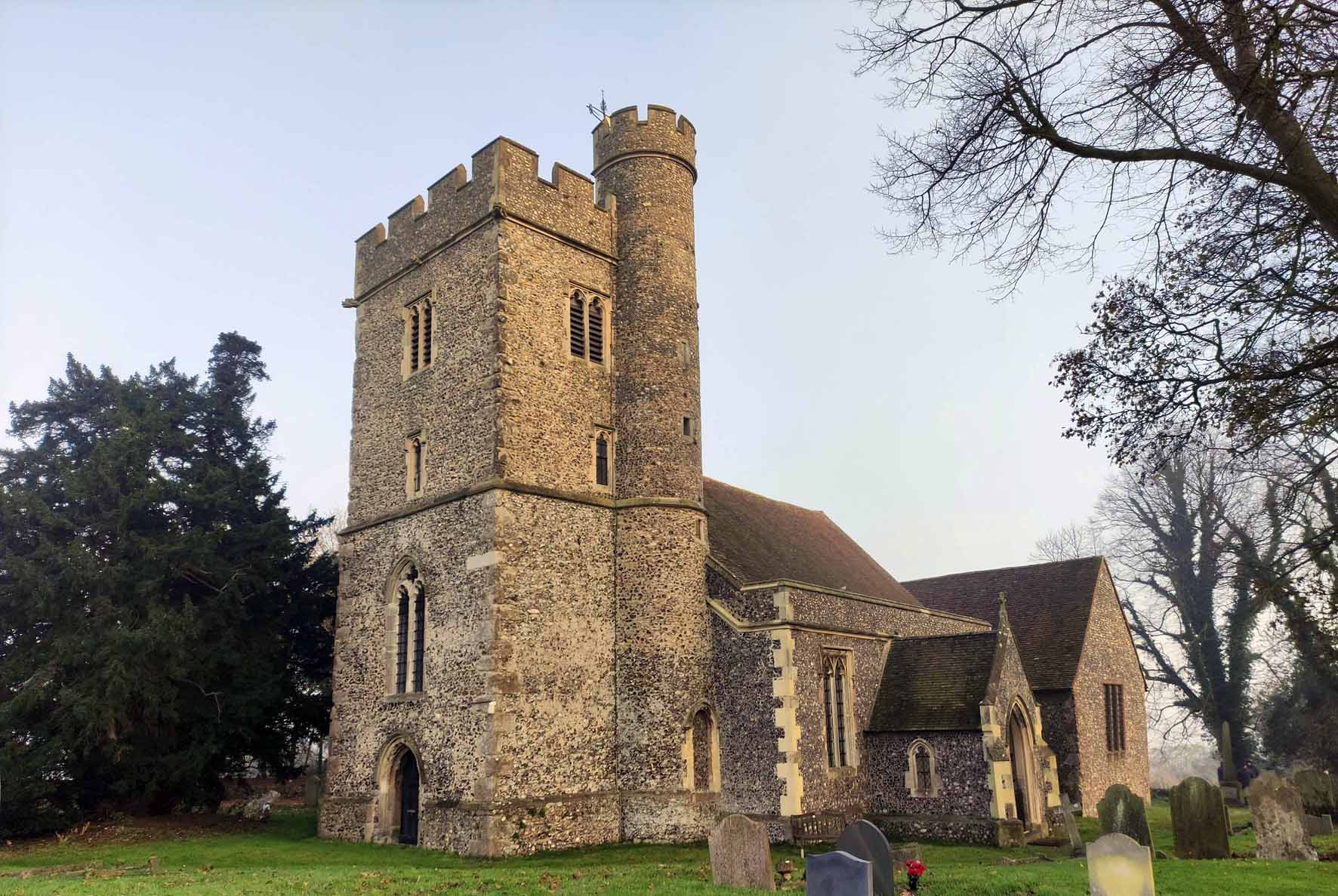
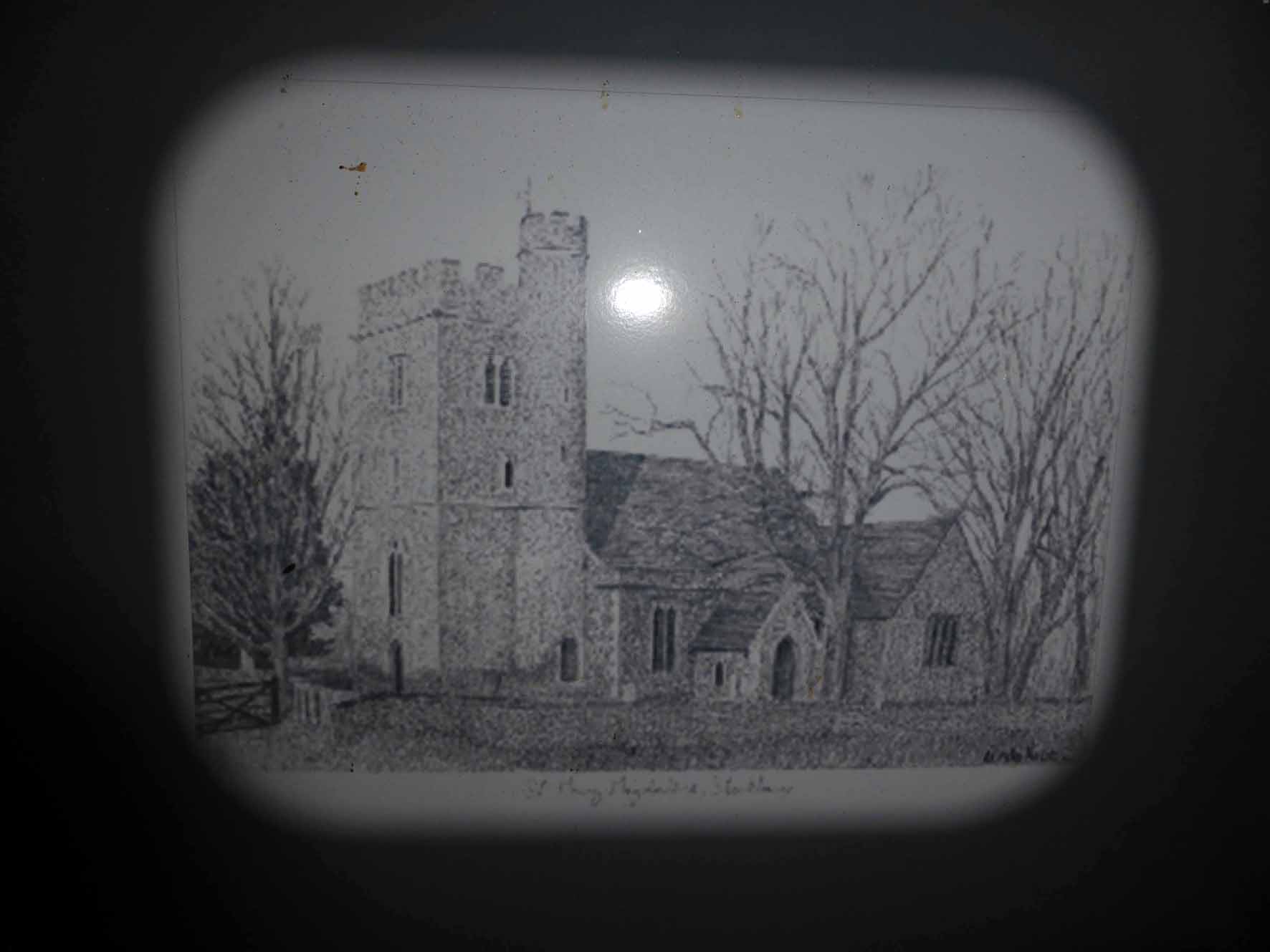
St Mary Magdalene Church, Stockbury
(TQ 84685 61676)
ck as the Domesday Book and the massive Yew tree beside the church is recorded as being over 900 years old. The church was subordinate to the church at Newington, and was in existence before the Norman Conquest.
In 1084, Doomsday records show, Stockbury consisted of the church and a mill, plus 400 acres of land occupied by Bishop Odo, the half brother of King William.
However, on 20th February 1836, the church suffered a substantial fire. Plumbers working on the east end of the north aisle left a stove burning. This set fire to the north aisle roof, which destroyed the north transept roof and much of the roof and fittings of the chancel. This resulted in a significant amount of repair and rebuilding work.
Prior to 1836, it is known that the church was in poor condition with significant water penetration through the western tower. We also know there was clear evidence of decoration on the walls. However, a far larger and more invasive restoration was undertaken by the architect RC Hussey between 1851 and 1852, presumably under the direction of the Dean and Chapter of Rochester Cathedral.
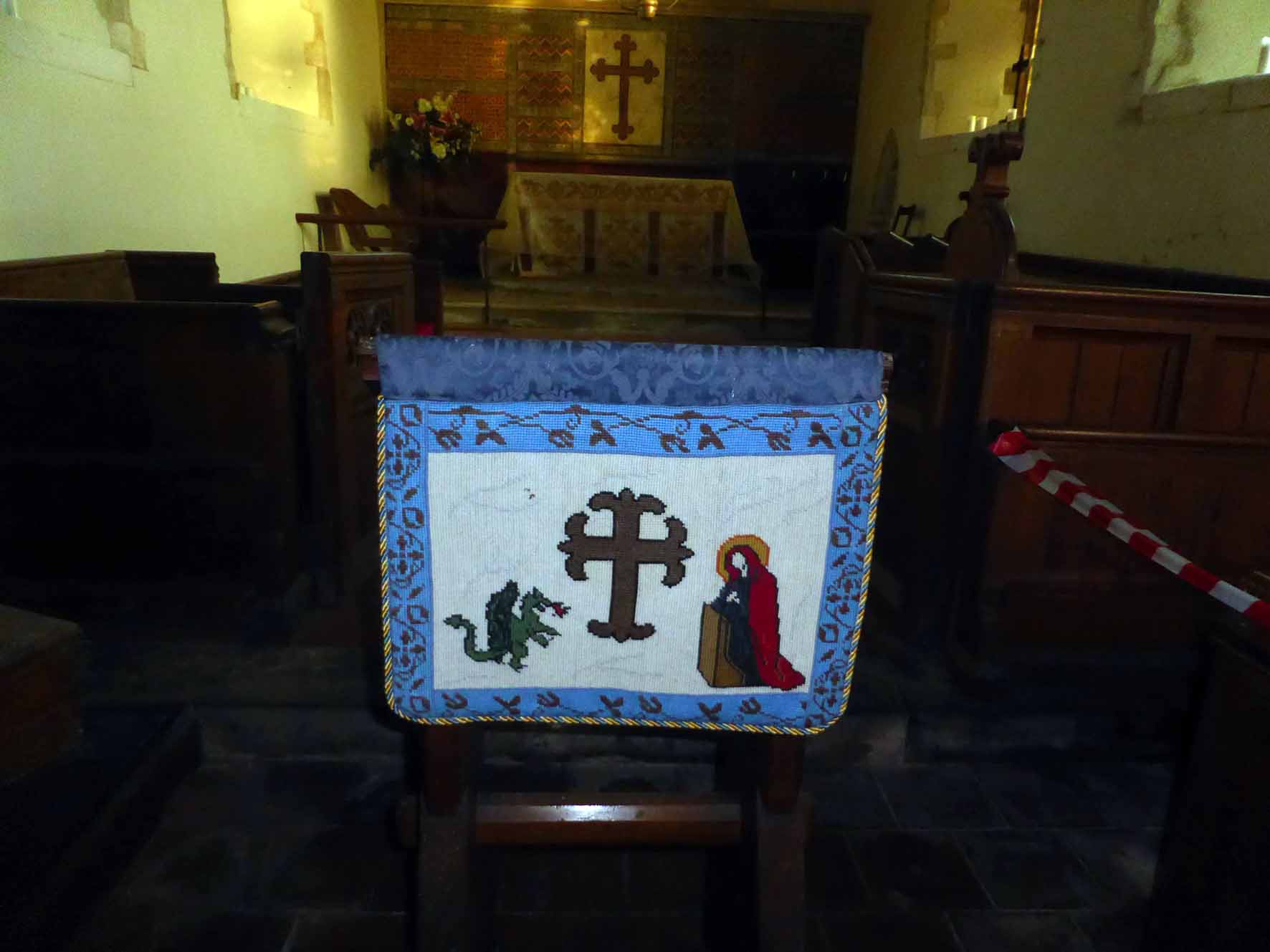
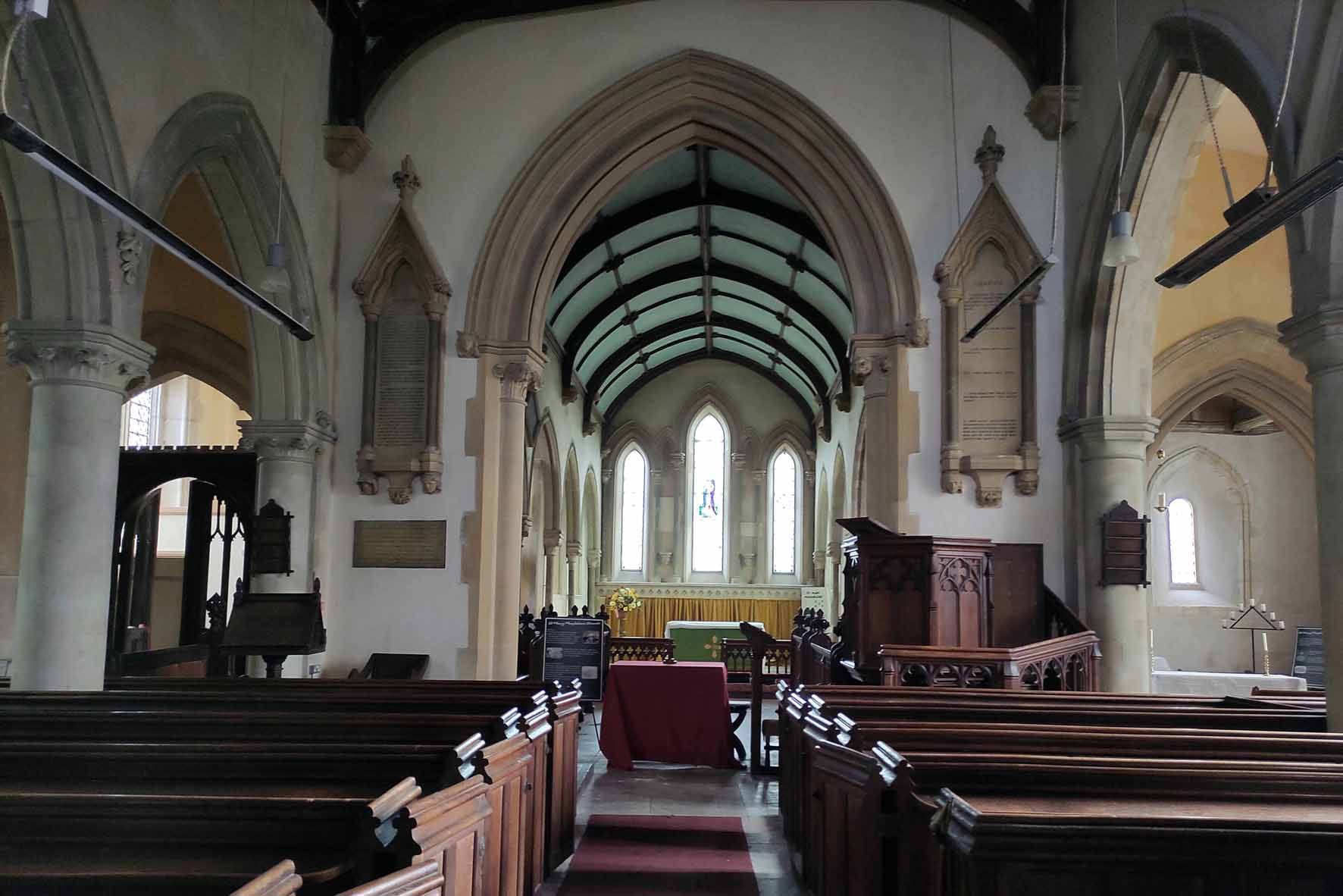
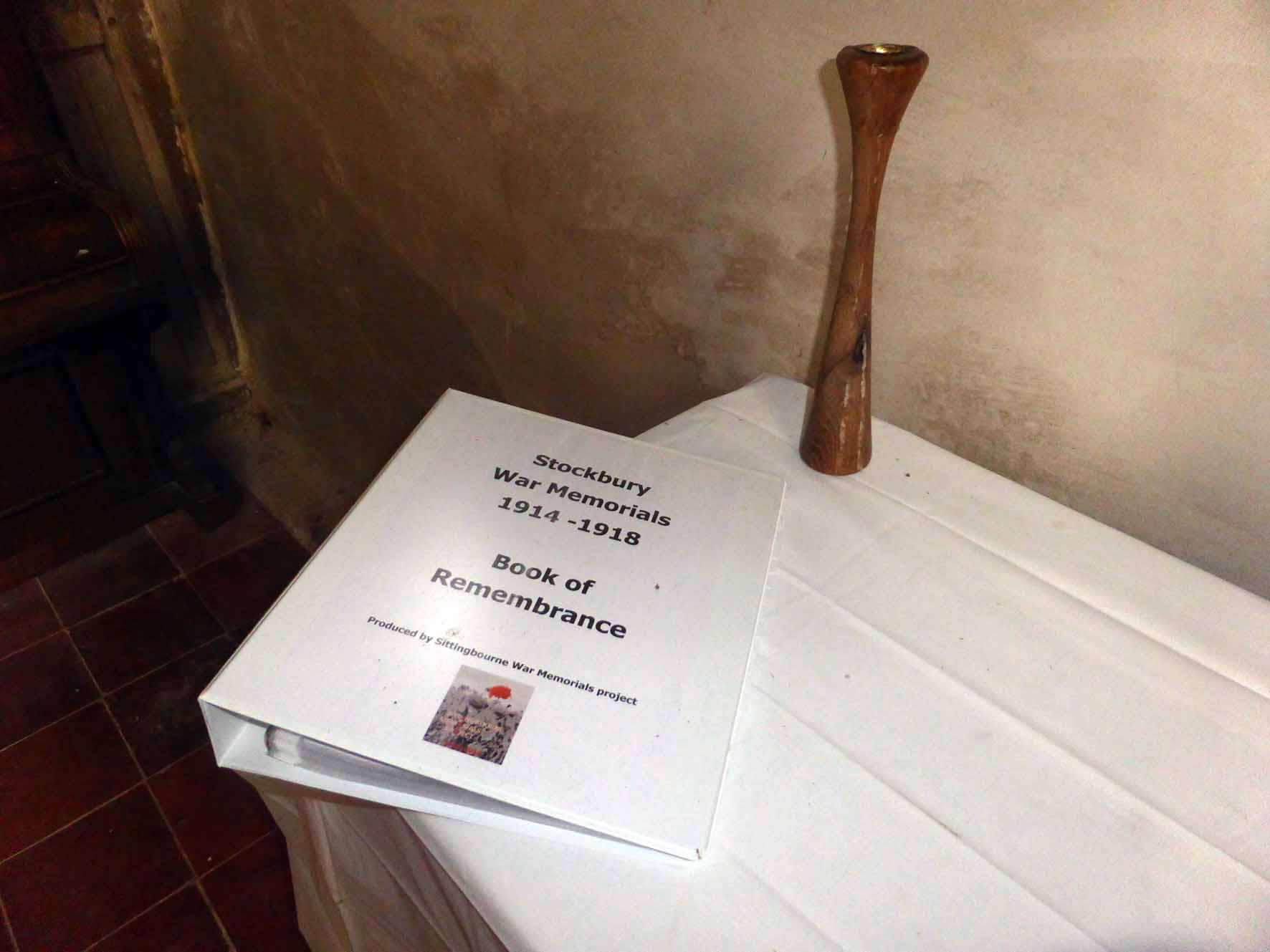
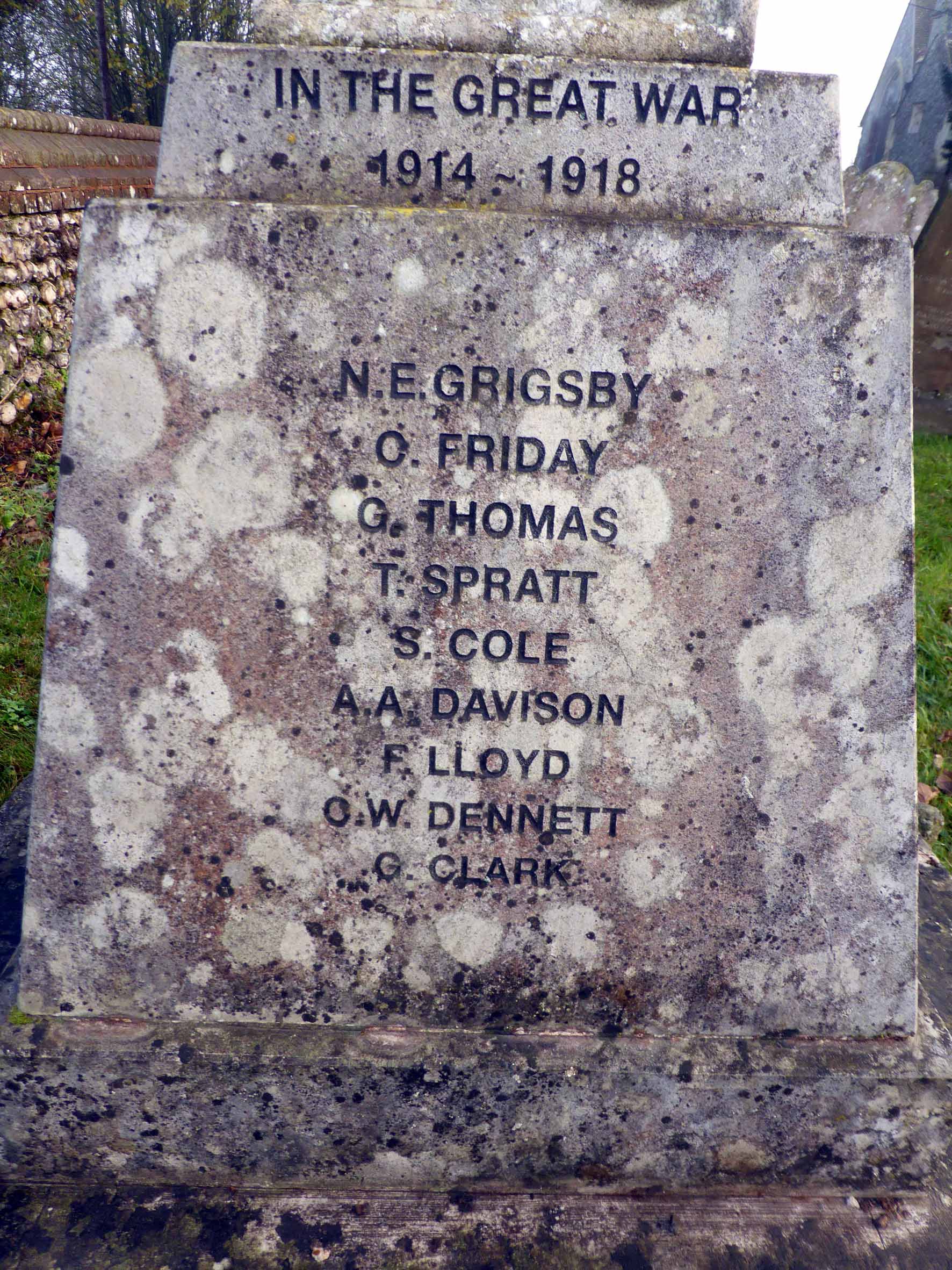
We were fortunate that some community work was being undertaken in the church grounds the day we visited, so we were also able to enter the church….and it was heart-warming to see the WW1 banner and folder of the Stockbury fallen remembered, that HRGS provided for them, being out and displayed.
Also within view of the churchyard, we could see a mote and ditch around some old earthworks. This started a flurry of interest in what had been there. It is believed that Bishop Odo constructed a Mott and Bailey earthwork to the south-west of the church. Stockbury’s importance evolved from the benefit of controlling the road (now the A249) from Minster to Maidstone. After Bishop Odo, the castle passed to the Aubervilles and then to the Croill family in the 13th century; and records exist that they were inhabiting the castle in 1460.
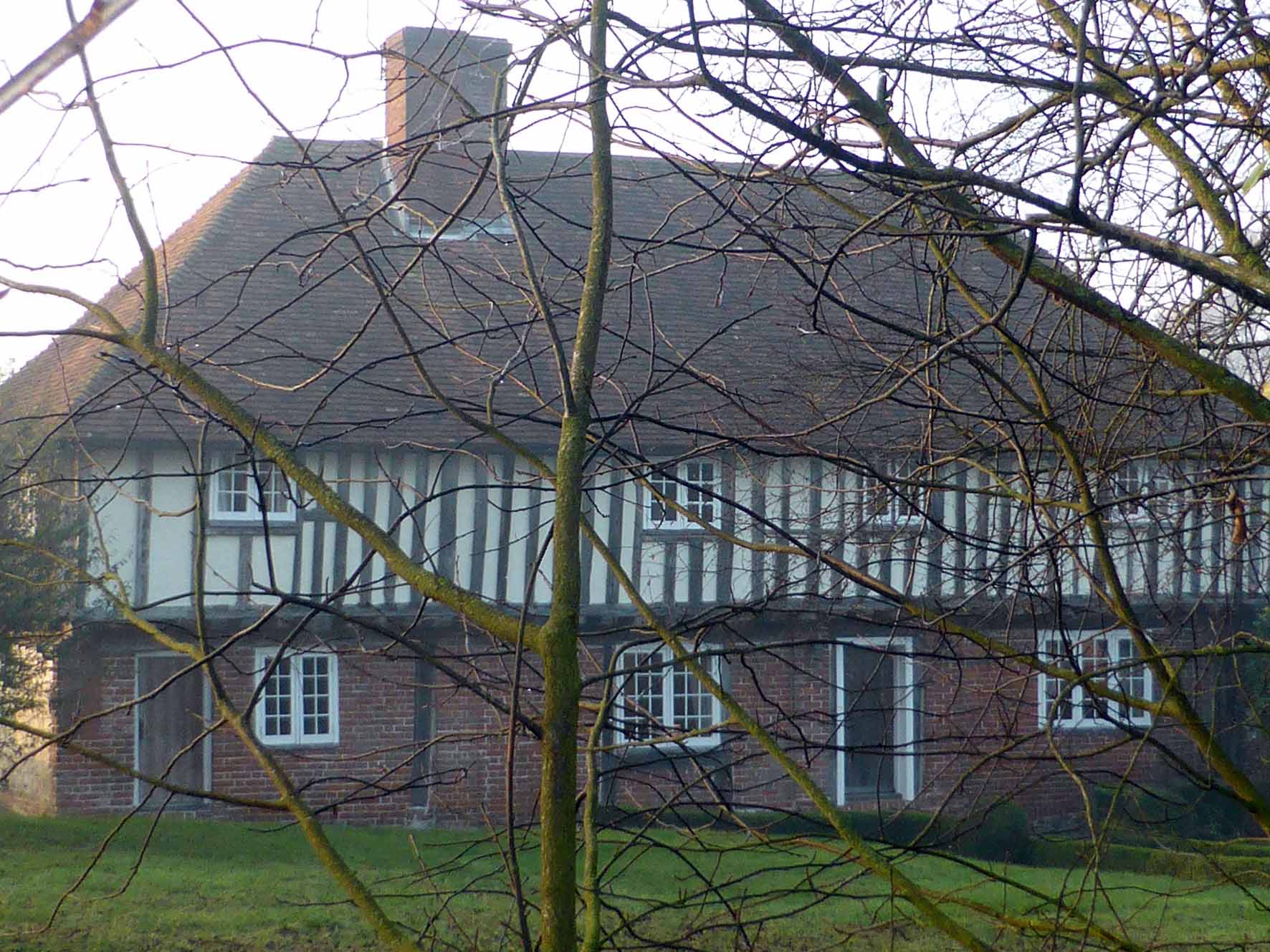
The Court Lodge farmhouse was built in 1673, which stands in the remnants of the castle grounds. These grounds were, due to their prominent position overlooking the A249, also important during the First and Second World War. This saw the housing of huge defensive guns positioned overlooking the valley.
More Out and About
For more places to visit Click Here.
If you go out and about…please let us know of any particular good places to visit, or let us know what you think when you visit: Contact us
Thanks to these sites for their information:
https://www.explorechurches.org/church/st-mary-magdalene-stockbury (Stockbury church)
http://beneficeoftunstallandbredgar.org.uk/bicknor-church/ (Bickmor church)
https://www.kentarchaeology.org.uk/01/03/HUC.htm (Hucking church)