Out and About – Reculver Abbey and Roman Fort
By Theresa & Richard Emmett and Thelma & Graham Dudley
Where is it?
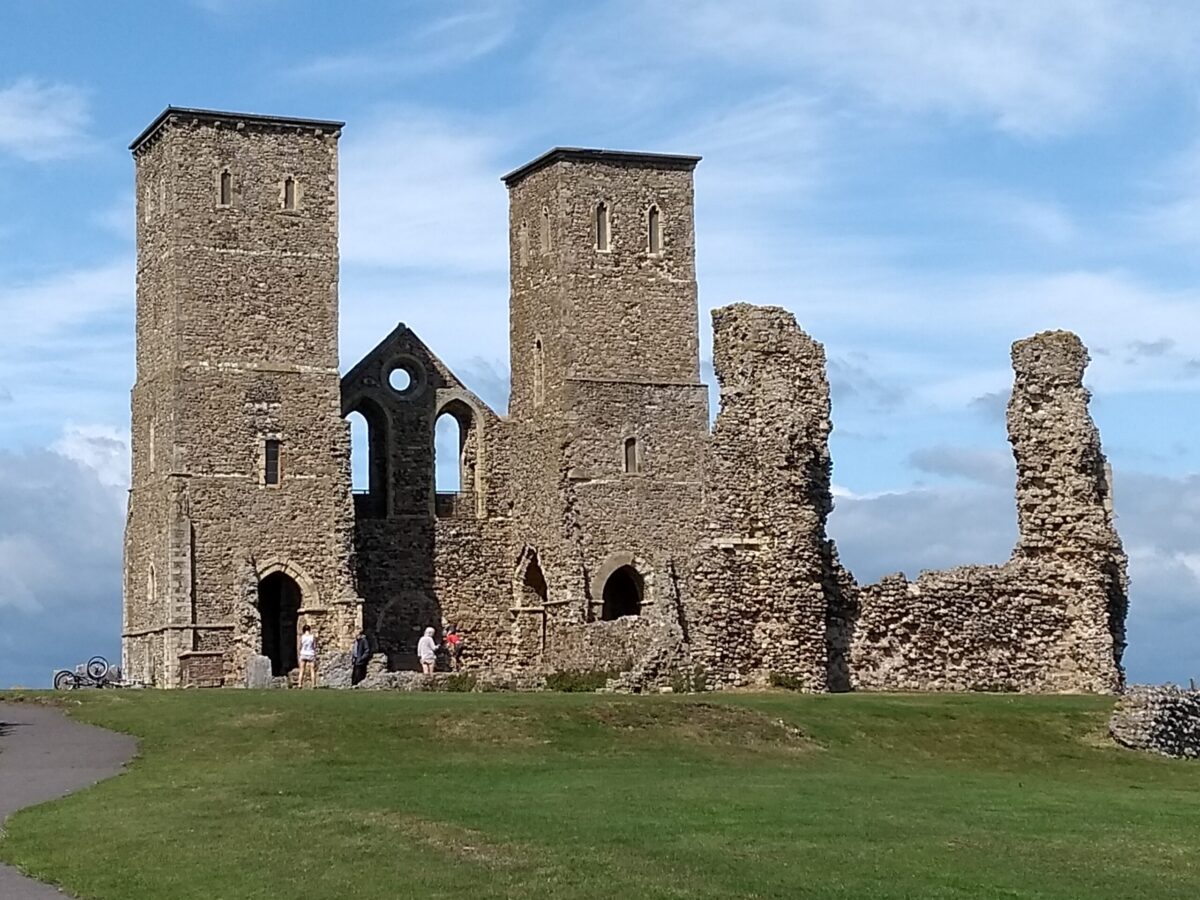
The ruins of Reculver Abbey and Roman Fort, are situated on the north Kent coastline just off the Reculver Road, Herne Bay, Kent.
Postcode: CT6 6SU.
Map reference TR227693.
What is physically there?
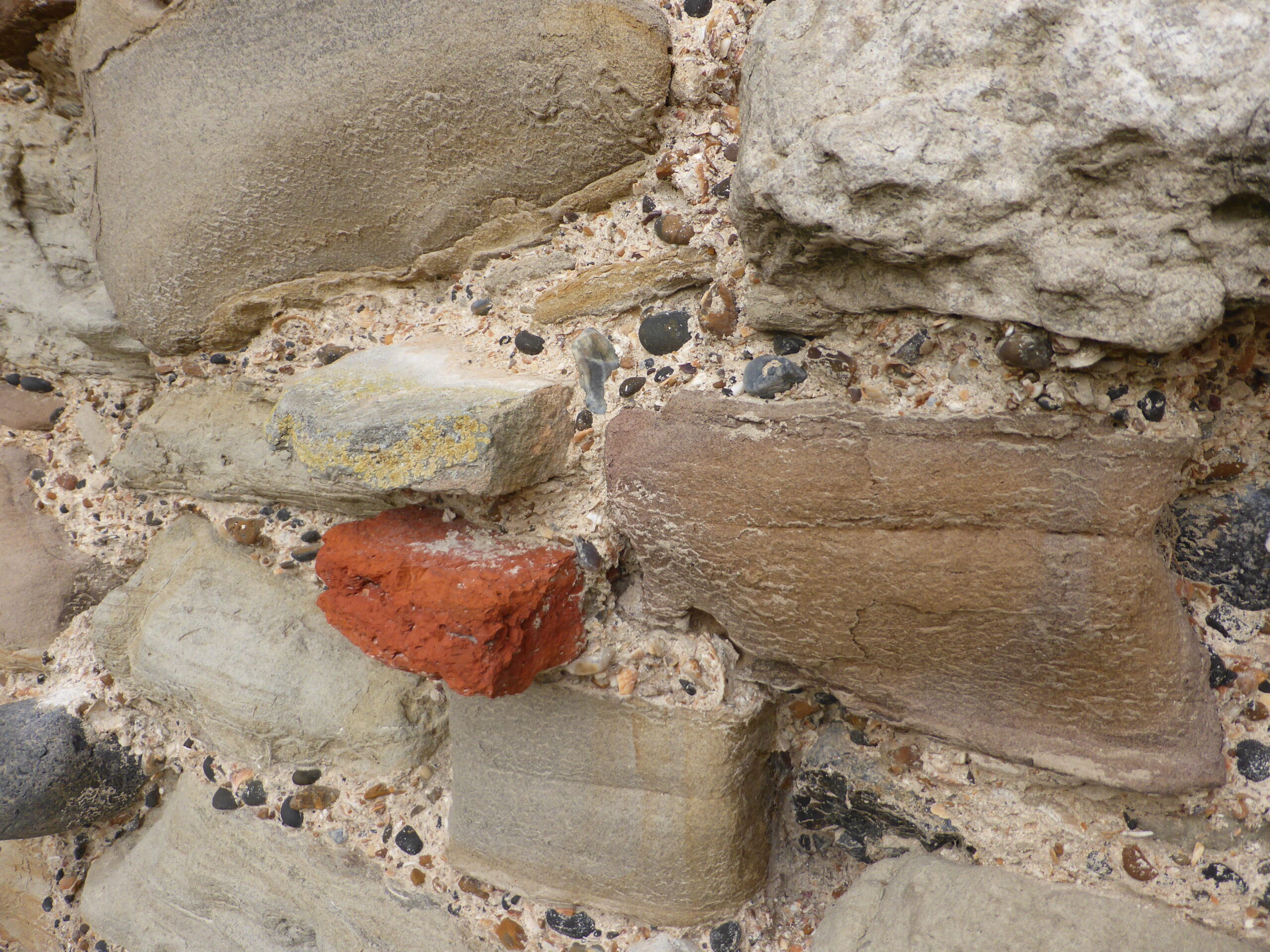
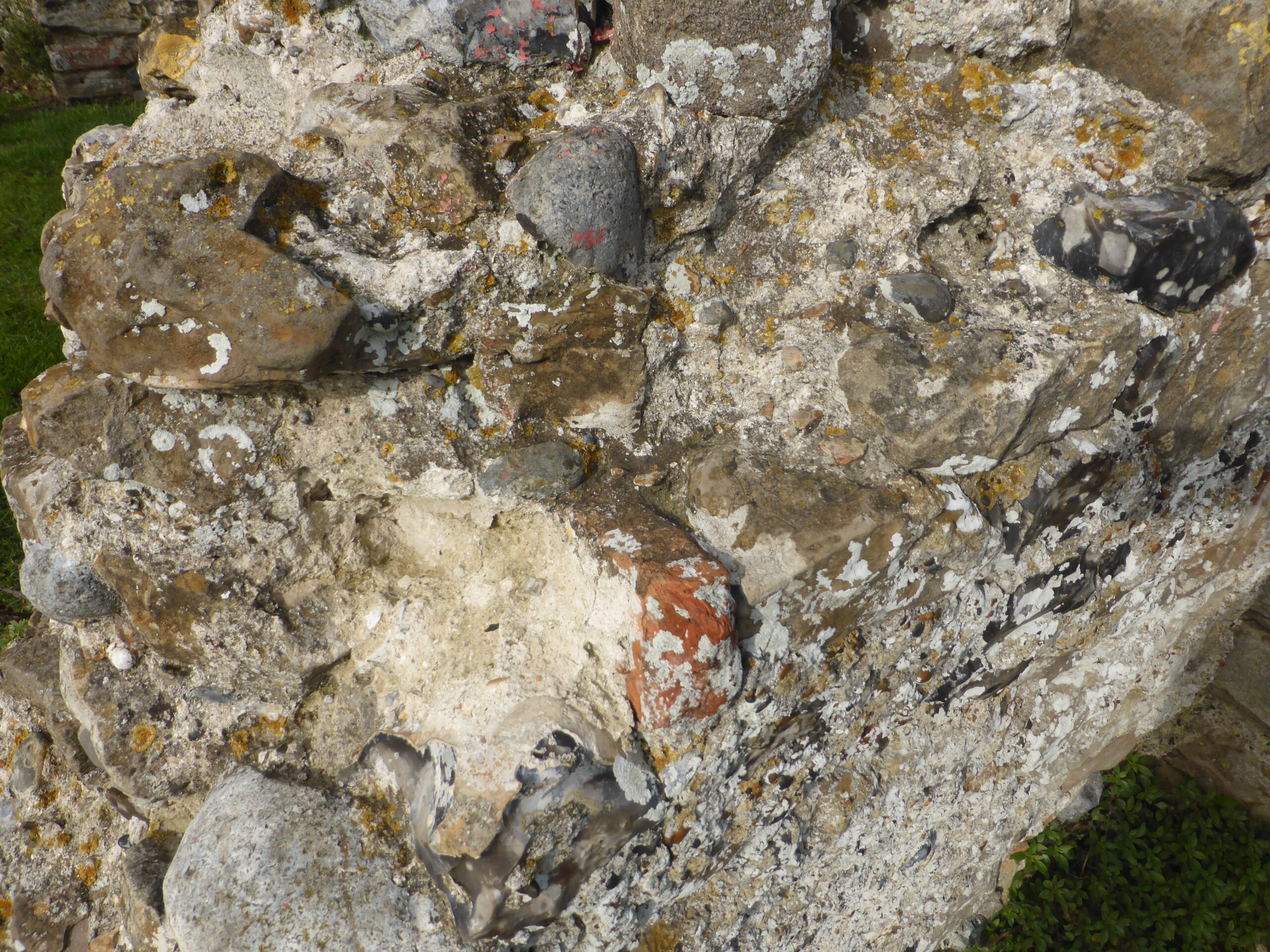
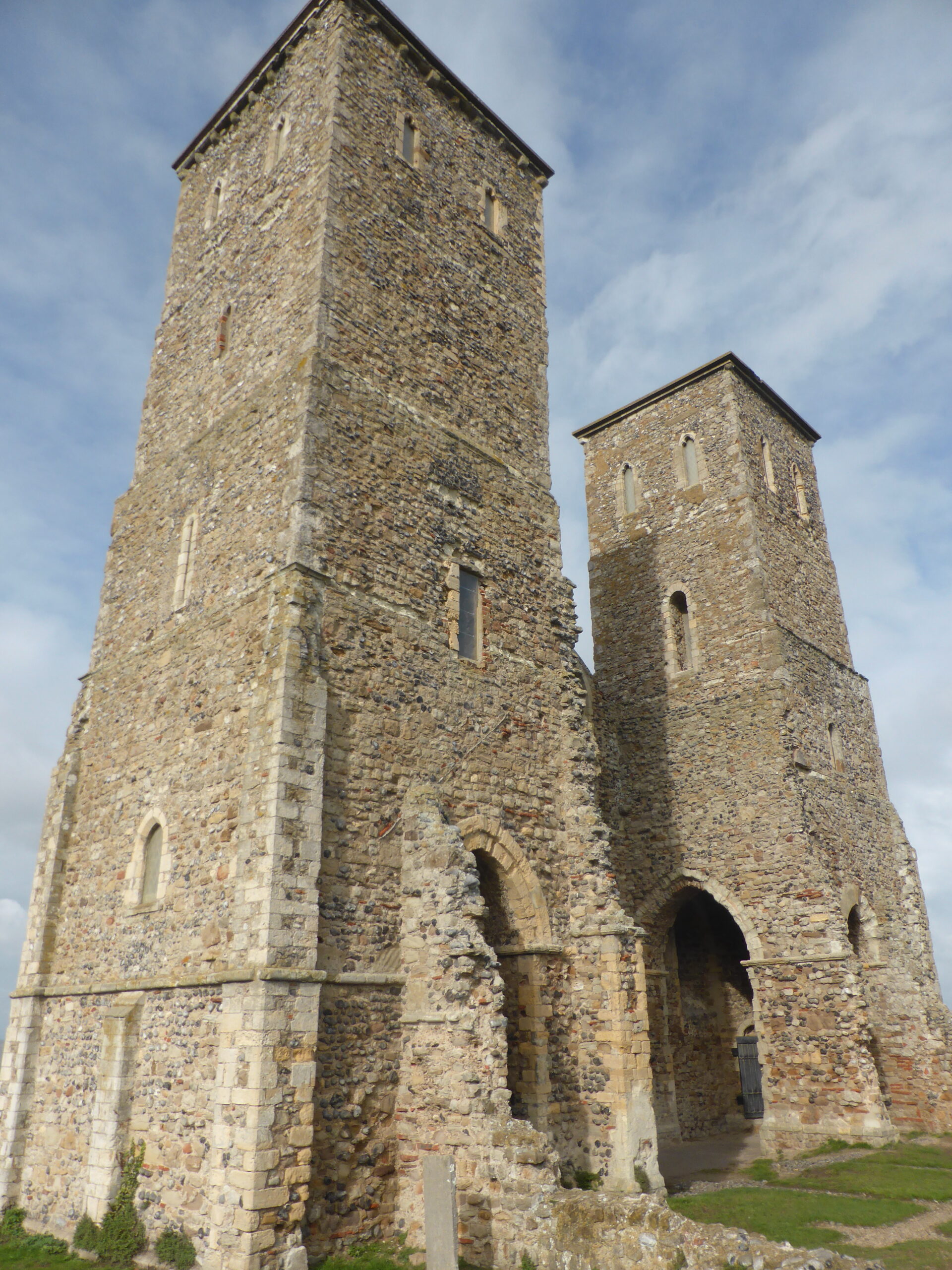
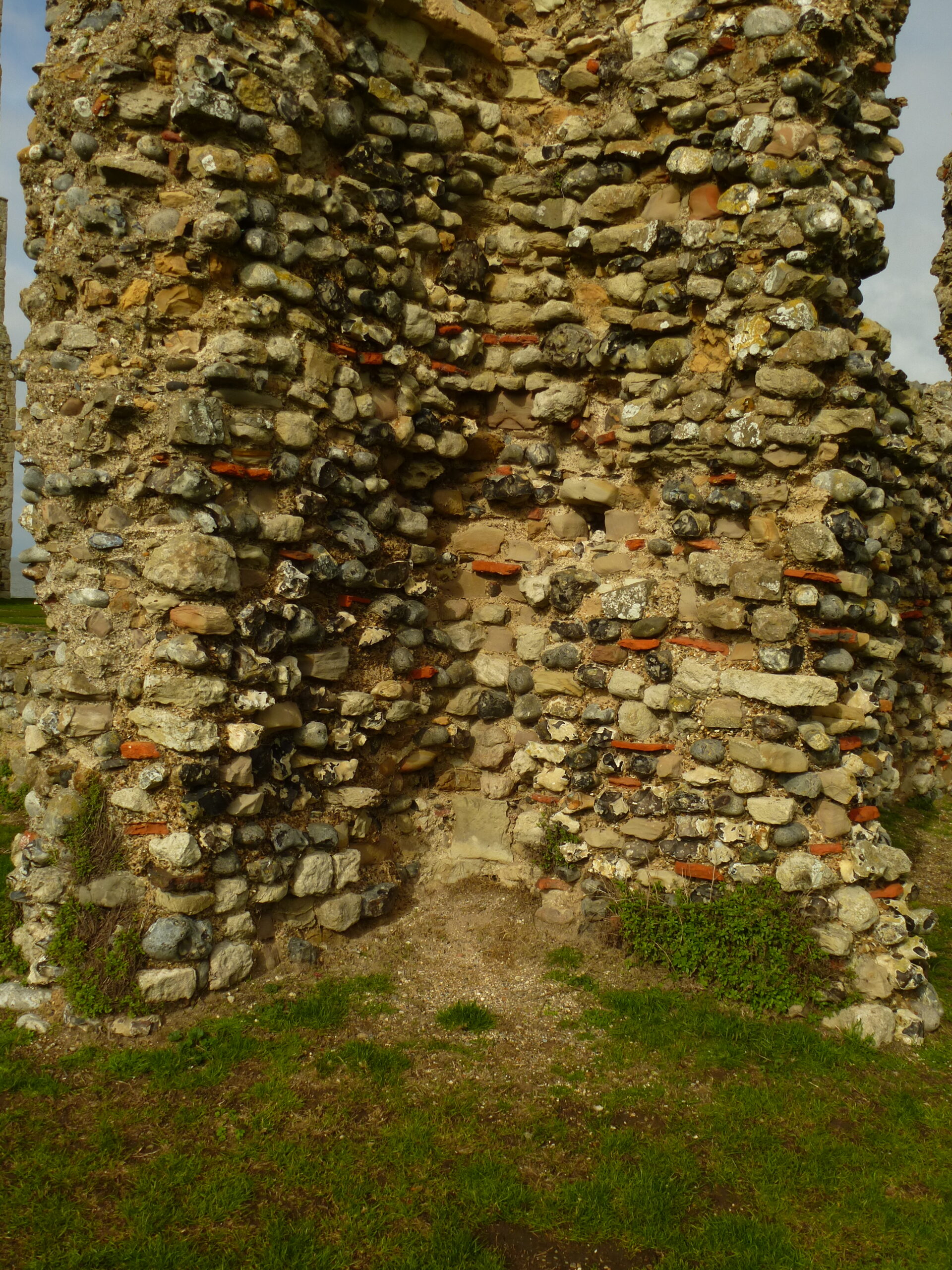
Much of the site has been lost to coastal erosion, but the twin towers still stand, more than 800 years old, and some of the Roman ruins can be seen when walking to the boundary of the site. The flint and stone in the walls, recently excavated, captivate the imagination and you can’t help but wonder how it has survived at all after 2,000 years.
Its History?
Dating back to the Roman period when at first it was a Roman settlement, in the 1st and 2nd centuries and later in the 3rd century, a defence fort (called Regvlbivm) was built where the Thames Estuary met the Wantsum Channel, that once divided the Isle of Thanet from the main land.
As you can see from this plan of the fort, the church was originally part of one of the earliest Roman forts built to repel raids from the sea.
In the middle of the 7th century it became an Anglo-Saxon Monastery, reusing the existing defences, and the church of St Mary’s was built. It became the parish church in the 10th century and in the 12th century the church was remodelled including the addition of the twin towers.
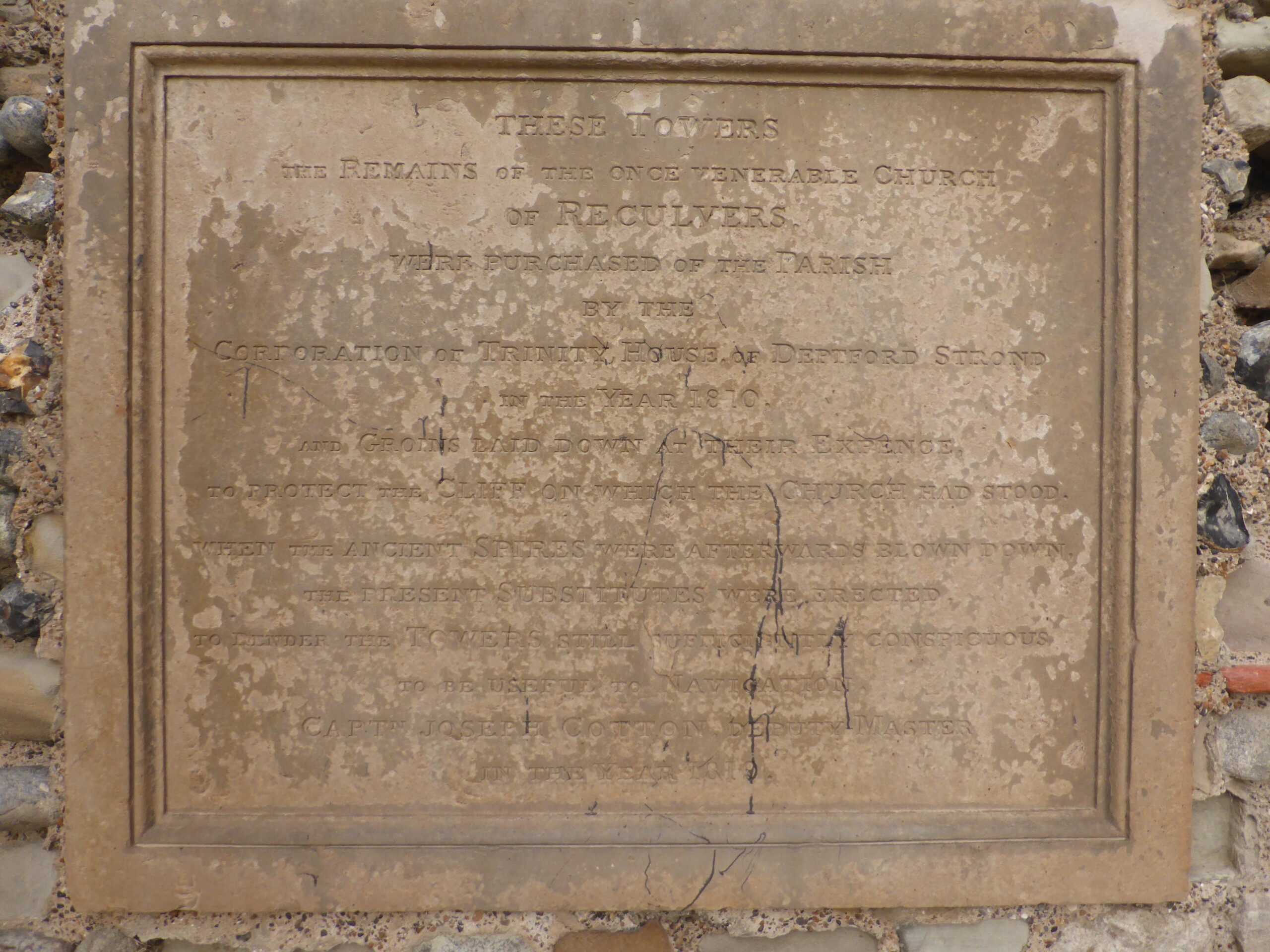
The Medieval church was partly demolished in 1805 when much of the stone was reused to construct a new church at Hillborough, leaving just the towers we see today. In 1809 it was bought and repaired by Trinity House, as navigational markers.
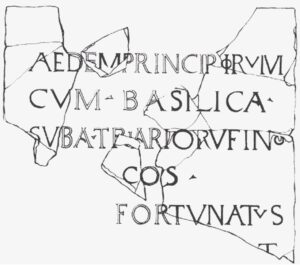
In the 1960s there was a ‘Reculver Excavation Group’, and there are various reports on the internet that they have uncovered numerous things from infant remains to commemorative tablets of stone. By the end of the 1960’s, they had excavated eleven fragments of a commemorative tablet, now known as the ‘Reculver Inscription’.
These represented about three-quarters of the complete Latin text. They believe the inscription, possibly one of two, must have been placed on the wall of a small shrine (sacellum) from where it eventually fell into the strong room below. The strong room being used for storing money and important documents.
Professor Sir Ian Richmond studied the fragments, and concluded it says: the shrine of the standards (AEDEM) of the headquarters (PRINCIPIORVM) together with (CVM) the crosshall (BASILICA) were built under (SVB) the consular governor (COS), A. TRIARIVS RVFINVS.
The work was carried out by FORTVNATVS who was probably the commander of the fort. Triarius Rufinus was consul at Rome in AD 210 and Professor Richmond suggested that he probably became governor of Britain in about 210-216.
Why Visit?
There are various English Heritage information boards around the site to guide your trip, and it is free to visit any day of the week. There are two (paying) public parking sites within strolling distance, with a café, a pub, toilets and picnic benches all available nearby….and even playground facilities, if you have young ones with you. It is also known as Reculver Country Park, and covers 26 hectares. The grounds are enjoyable to sit in and enjoy a picnic, a cycle ride, a walk along the beach or cliff tops, or just watch the locals fishing. You can walk up to and be in amongst the original Abbey building and wander amongst the Roman walls, hear the sea and immerse yourself in history!
Let us know what you think when you visit: Contact us
More Out and About
For more places to visit Click Here.